
Unlocking Uptime: Drone Thermal Imaging for Renewable Energy Asset Inspections
You spend hours managing renewable energy assets only to face unexpected downtime that drains your budget and delays projects. Drone thermal imaging cuts inspection times drastically while spotting faults invisible to the naked eye—keeping your wind turbines and solar farms running smoothly. In this post, you’ll see how aerial thermography delivers precise data that drives smarter maintenance decisions and stronger returns across the UK and EU. For more details, check out this link.
Enhancing Asset Inspections with Drone Technology
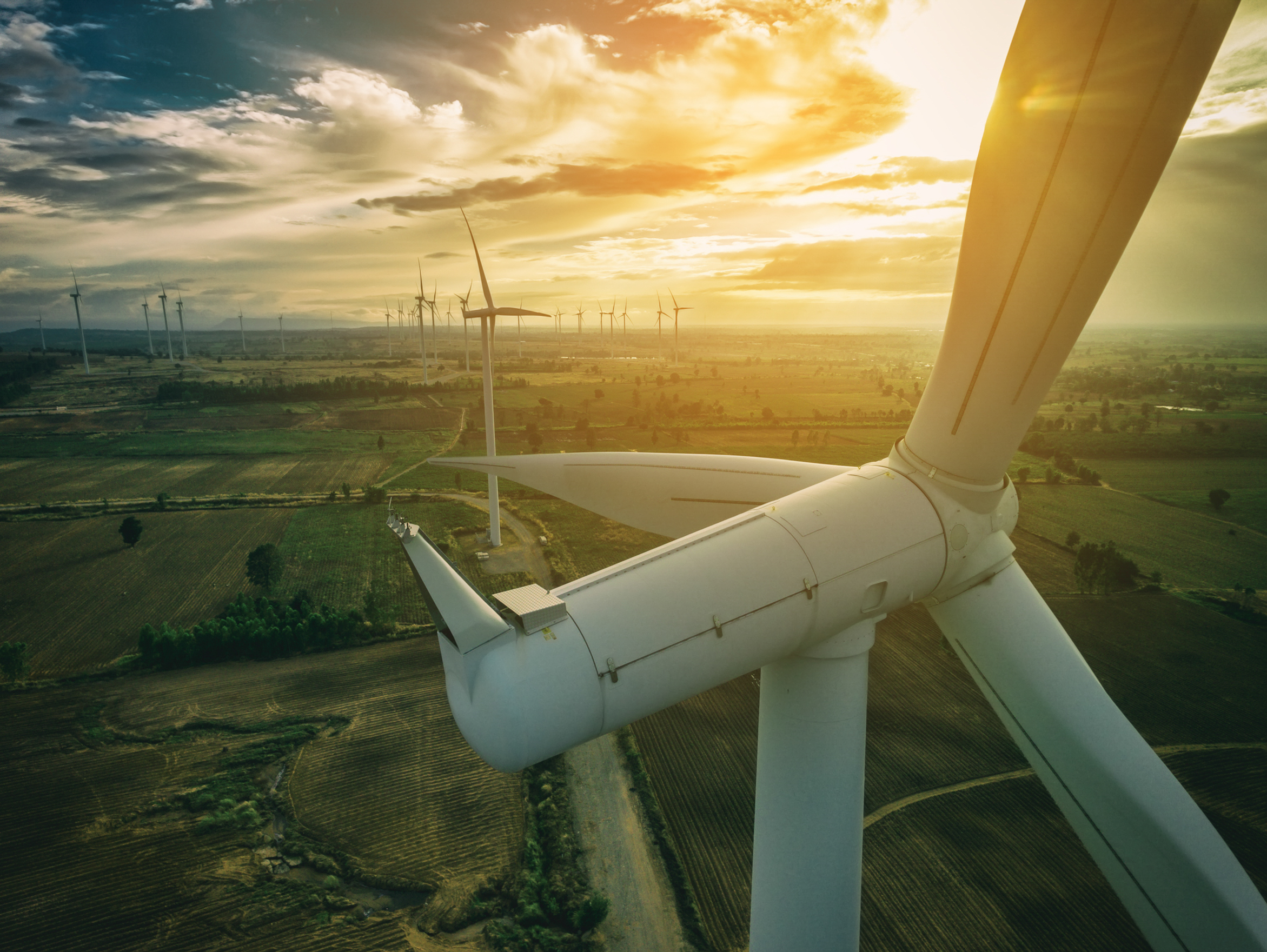
Drone thermal imaging is revolutionising how you inspect renewable energy assets. This technology brings a new level of precision and efficiency, ensuring optimal performance and longevity.
Benefits of Drone Thermal Imaging
Imagine spotting hidden faults in your solar panels or wind turbines before they cause serious issues. Drone thermal imaging makes this possible. With the ability to detect temperature variations, drones uncover problems that the naked eye might miss. This early detection means you can plan maintenance proactively, saving both time and money. The technology’s precision is such that it can identify faults as small as a few degrees, which might indicate an impending failure.
Moreover, deploying drones for inspections is quicker and safer than traditional methods. You avoid the need for scaffolding or cranes, thus reducing risks to your team. This approach not only enhances safety but also cuts down the time taken to complete inspections. As a result, your assets remain in peak condition, reducing the likelihood of unexpected downtime.
Improving Safety and Fault Detection
Safety is paramount in any operation, and drones significantly reduce the risk involved in asset inspections. By using drones equipped with thermal cameras, your team can identify overheating components from a distance. This capability is crucial, especially in hazardous or hard-to-reach areas.
For example, inspecting offshore wind turbines traditionally requires personnel to be physically present, which involves risks. Drones eliminate this need, allowing for thorough inspections while keeping your team safe on the ground. Furthermore, the detailed data collected ensures that potential faults are identified early, enabling timely interventions before issues escalate.
Reducing Downtime and Boosting ROI
Every moment of downtime costs money. With drones, you can drastically cut inspection times, ensuring that your renewable energy installations operate smoothly. Faster inspections mean less disruption to operations, allowing you to maintain maximum productivity.
Additionally, the data gathered through drone inspections helps make informed decisions about maintenance and repairs. This proactive approach not only extends the life of your assets but also maximises your return on investment. When you minimise downtime and optimise performance, the bottom line benefits significantly.
Advanced Techniques in Aerial Thermography

Beyond basic inspections, aerial thermography offers advanced techniques that bring unparalleled insights into your operations. These methods are tailored to meet the specific needs of solar and wind energy sectors.
Solar Farm IR Surveys and PV Hotspot Detection
In solar farms, identifying hotspots is crucial. Drones equipped with infrared cameras fly over large areas, spotting discrepancies in panel temperatures. This precise method ensures you don’t overlook any potentially faulty panels that could reduce energy output.
By conducting regular IR surveys, you maintain optimal panel performance and avoid costly issues. The insights gained from these surveys guide maintenance efforts, ensuring that each panel functions at its best. A well-maintained solar farm not only produces more energy but also operates more efficiently.
Wind Turbine and Offshore Wind Inspections
Wind turbines, especially those offshore, pose unique inspection challenges. Drones overcome these by providing access to every part of the turbine, from blades to nacelles. They can capture detailed images and thermal readings, identifying wear or damage that could lead to failures.
Offshore inspections become less daunting when drones handle the task. They eliminate the need for personnel to work at heights or in harsh weather, thus improving safety. The detailed data collected allows for precise maintenance planning, ensuring turbines remain operational and efficient.
Radiometric Cameras and Georeferenced Mapping
Radiometric cameras on drones provide highly accurate temperature data. This capability is essential for detailed assessments of your assets. Coupled with georeferenced mapping, you gain a comprehensive view of your installations.
This technology enables you to pinpoint anomalies with exact locations, facilitating targeted interventions. With such precision, maintenance becomes more efficient, and resources are utilised optimally. As a result, your renewable energy operations are more reliable and cost-effective.
Strategic Advantages for Renewable Energy Operations
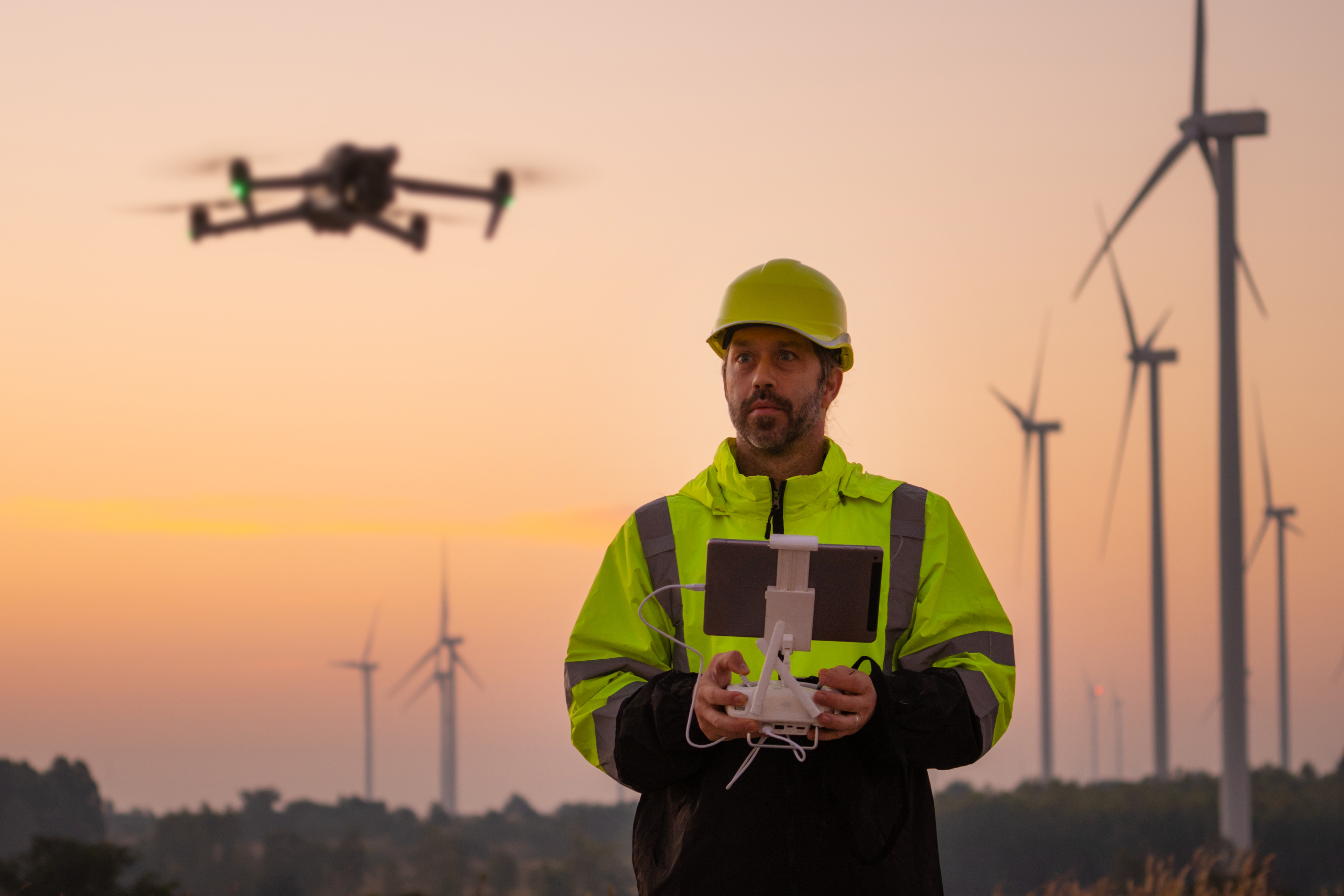
Integrating drone technology into your operations offers strategic advantages that drive both efficiency and compliance.
Condition-Based and Predictive Maintenance
Drones empower you to adopt condition-based maintenance strategies. By regularly monitoring asset conditions, you can predict when maintenance is needed, rather than relying on reactive measures. This proactive approach prevents unexpected breakdowns, ensuring continuous operation.
Predictive maintenance isn’t just about avoiding problems; it’s about improving overall asset health. By addressing issues before they impact performance, you enhance the longevity and productivity of your installations. This strategic shift maximises asset reliability and efficiency.
Compliance with CAA and GWO Standards
Operating drones within regulatory frameworks is crucial. PB Aerial Imaging ensures that all operations comply with CAA and GWO standards, guaranteeing safety and legal compliance. This commitment to adherence not only safeguards your operations but also builds trust with stakeholders.
Adhering to these standards demonstrates your commitment to safety and professionalism. It reassures clients and partners that your operations meet the highest industry benchmarks, fostering confidence in your capabilities.
Fast Mobilisation and Expert Analysis Across the UK and EU
Time is of the essence in asset inspection. Drones allow for quick mobilisation, enabling you to respond rapidly to inspection needs across the UK and EU. This agility ensures that inspections are conducted promptly, minimising any disruption to your operations.
Expert analysis of drone-collected data provides actionable insights that inform maintenance and operational decisions. With such rapid and thorough evaluations, you maintain optimal asset performance, enhancing both efficiency and profitability.
In conclusion, drone thermal imaging is a game-changer for renewable energy asset inspections. By enhancing safety, reducing downtime, and optimising performance, this technology positions you at the forefront of industry innovation. With PB Aerial Imaging, you have a reliable partner in maximising your renewable energy assets’ potential.
