

Offshore Drone Certifications and Compliance in the UK & EU: The Definitive Guide for Energy and Industrial Operators
Offshore drone inspections demand more than just skilled pilots—they require strict adherence to UK CAA drone regulations and EASA UAS regulations. Navigating CAP 722, Operational Authorisation, and complex safety documentation can overwhelm even seasoned operations managers. This guide breaks down everything you need to ensure full UAV compliance UK and UAS compliance EU, helping you benchmark suppliers with confidence and keep your offshore projects on course. For more information on EASA drone regulations, you can visit this comprehensive guide.
Navigating UK CAA Drone Regulations

Understanding the nuances of UK CAA drone regulations is vital in ensuring compliant offshore operations. Let’s explore what you need to know to stay in line with these requirements.
Understanding CAP 722 and Operational Authorisation
CAP 722 is your go-to document for understanding how to operate drones safely and legally in the UK. It provides guidance on everything from airspace management to safety protocols. Operational Authorisation is your ticket to legally conduct specific drone operations. It ensures that your operations meet the necessary safety standards and legal requirements. Be sure to review CAP 722 thoroughly to understand what is expected of you and submit an application for Operational Authorisation to the CAA.
GVC and A2 CofC Requirements
The General Visual Line of Sight Certificate (GVC) and the A2 Certificate of Competency (CofC) are essential for drone operators in the UK. The GVC allows for more complex operations and requires you to understand air law, flight planning, and meteorology. The A2 CofC is perfect for flying closer to people, especially useful in offshore settings. Both certificates show your knowledge of safety protocols and legal standards, making you a more appealing candidate for offshore projects.
Remote Pilot Competency and UAS Operator ID
Remote pilot competency is crucial for maintaining high safety standards. It involves understanding your drone’s capabilities, flight planning, and emergency procedures. Additionally, having a UAS Operator ID is mandatory, serving as a unique identifier for your operations. This ensures accountability and adherence to regulations. Make sure your pilots are well-trained and possess the necessary IDs to operate legally and safely.
EASA UAS Regulations for Offshore Operations

Transitioning to EASA UAS regulations can be challenging, but understanding these rules is crucial for seamless offshore operations in the EU. Find more insights about this transition in this UK transition guide.
Specific Category Operations and SORA Risk Assessment
Conducting operations in the specific category requires a thorough SORA (Specific Operations Risk Assessment). This involves evaluating potential risks and implementing measures to mitigate them. The SORA process is designed to ensure safe operations by identifying hazards and establishing safety objectives. Be prepared to detail your operational plans and risk management strategies when applying for specific category operations.
RAMS Drone Operations and Permit to Work Drones
RAMS (Risk Assessment Method Statements) is integral to managing drone operations safely. It involves identifying risks, outlining control measures, and ensuring compliance with safety standards. A permit to work is essential when operating drones in restricted zones, such as offshore oil platforms. This ensures that all parties involved are aware of the operations and any associated risks, promoting safety and coordination.
GDPR Compliant Aerial Data Management
Managing aerial data while complying with GDPR is crucial for protecting privacy and maintaining trust. Ensure that your data collection and storage practices are transparent and secure. Obtain consent when necessary and implement measures to protect personal data. By adhering to GDPR, you demonstrate a commitment to ethical data management and build trust with clients and stakeholders.
Offshore Drone Inspections in Energy and Industry
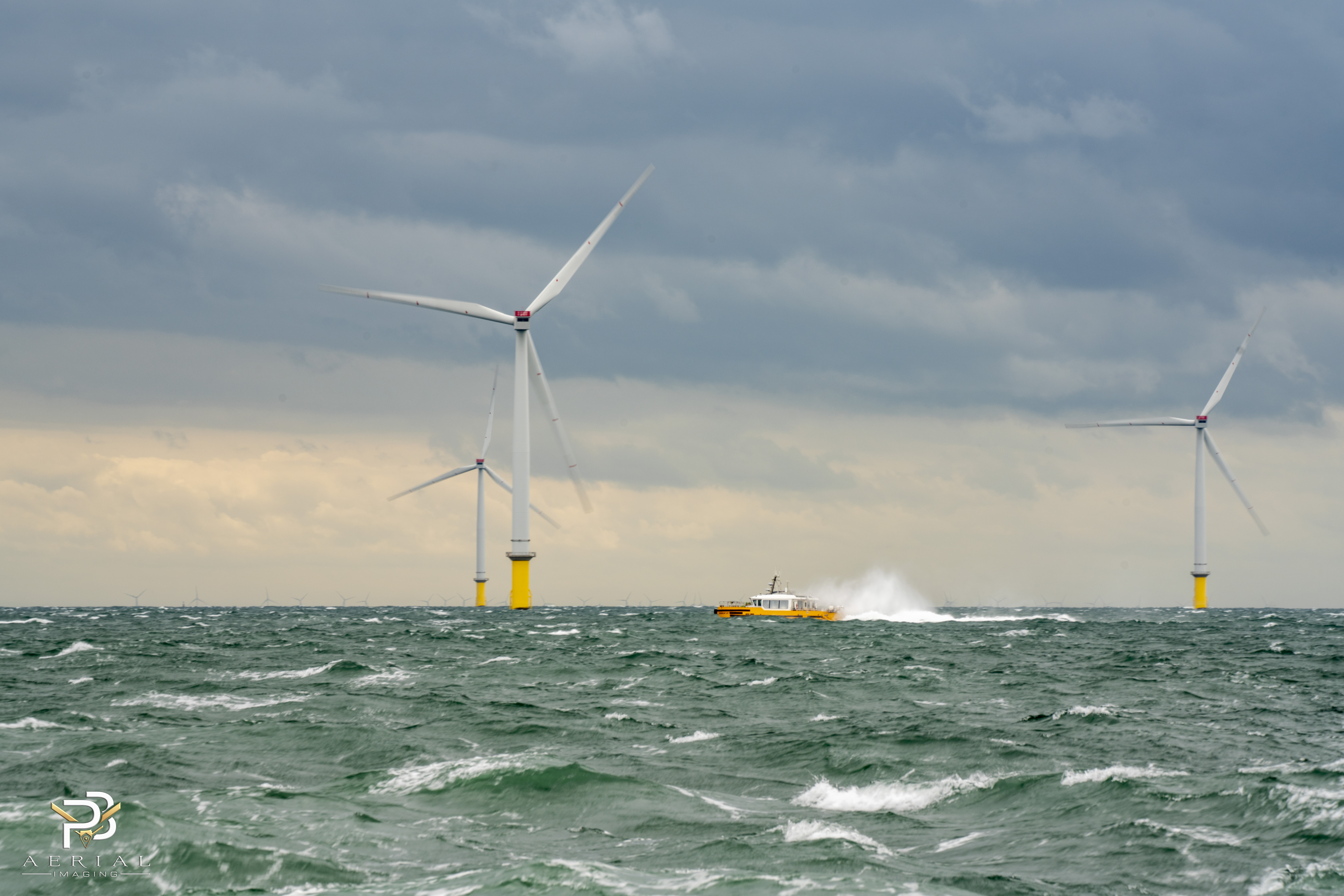
Offshore drone inspections are transforming the energy and industrial sectors, offering new opportunities for efficiency and safety.
Offshore Wind Turbine and Oil & Gas Inspections
Drones are invaluable in inspecting offshore wind turbines and oil and gas platforms. They provide high-resolution imagery that helps identify potential issues before they become major problems. This not only saves time but also reduces the risk of costly repairs and downtime. By using drones for inspections, you ensure that your assets remain in top condition while minimising risks to personnel.
Asset Integrity Inspection and Marine Infrastructure Survey
Regular asset integrity inspections help maintain the structural health of your infrastructure. Drones allow for comprehensive surveys that are both safer and more efficient than traditional methods. With high-definition cameras and advanced sensors, they can detect wear and tear that might be missed by human inspectors. This proactive approach to maintenance ensures long-term integrity and reliability.
Industrial Drone Services in Scotland and Beyond
From the rugged landscapes of Scotland to the vast expanse of the North Sea, industrial drone services are expanding rapidly. They offer unparalleled access to hard-to-reach areas, providing high-quality data for various industries. Whether it’s aerial mapping, photogrammetry, or infrastructure surveys, drones are revolutionising how we approach industrial challenges. Explore how these services can benefit your operations and unlock new possibilities.
By staying informed and compliant, you can harness the full potential of drone technology in your offshore operations. From regulatory requirements to cutting-edge applications, drones are reshaping industries and driving progress. Embrace this innovation to stay ahead of the curve and achieve your operational goals.
