
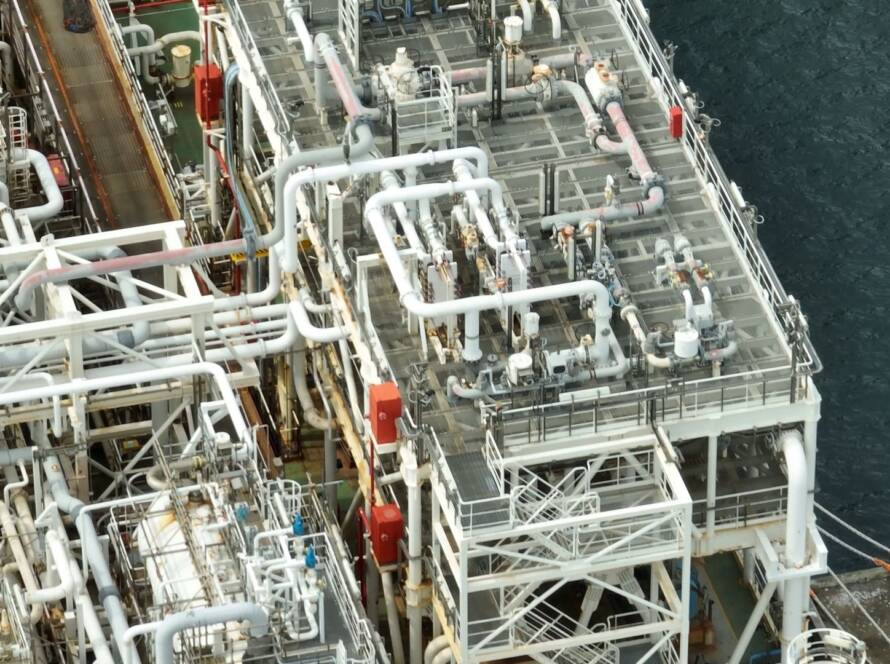
Forget the days when industrial site surveys meant costly delays and risky manual inspections. Complex sites demand precision, safety, and clear compliance proof—without compromise. With drone surveys UK specialists like PB Aerial Imaging, you gain fast, survey-grade aerial imaging that sharpens planning, boosts safety, and delivers solid evidence for HSE and CDM compliance. Read on to see how these workflows reshape your site operations and reduce risk onshore and offshore. For more insights, check out this informative resource.
Enhancing Planning with Drone Surveys
Drone surveys UK specialists offer game-changing solutions for industrial site planning. By using aerial technology, you can streamline operations, ensuring projects stay on track and within budget.
Streamlined Site Assessment
With drones, site assessments become more manageable and less time-consuming. Imagine capturing every angle of your site within minutes. These devices provide comprehensive overviews, allowing for quick decisions without lengthy delays. By reducing the need for manual surveying, you cut down on unnecessary costs and save valuable time. Plus, real-time data means you can adjust plans proactively.
Accurate Topographical Mapping
Mapping is vital for any project. Drones can deliver precise topographical maps that reveal the land’s actual contours. With centimetre-level accuracy, you get reliable data for planning and construction. This precision helps avoid costly mistakes and ensures every structure is built on solid ground. Say goodbye to the uncertainty of traditional mapping methods and embrace the clarity drones provide.
Efficient Data Collection Techniques
Data collection is often a bottleneck in planning. Drones streamline this process, gathering essential information quickly and efficiently. They can cover large areas in a fraction of the time it takes ground teams. This efficiency translates to faster project kick-offs and fewer delays. With aerial photogrammetry, you gain high-quality images that are easy to analyse and integrate into your planning systems.
Boosting Safety Through Aerial Inspections
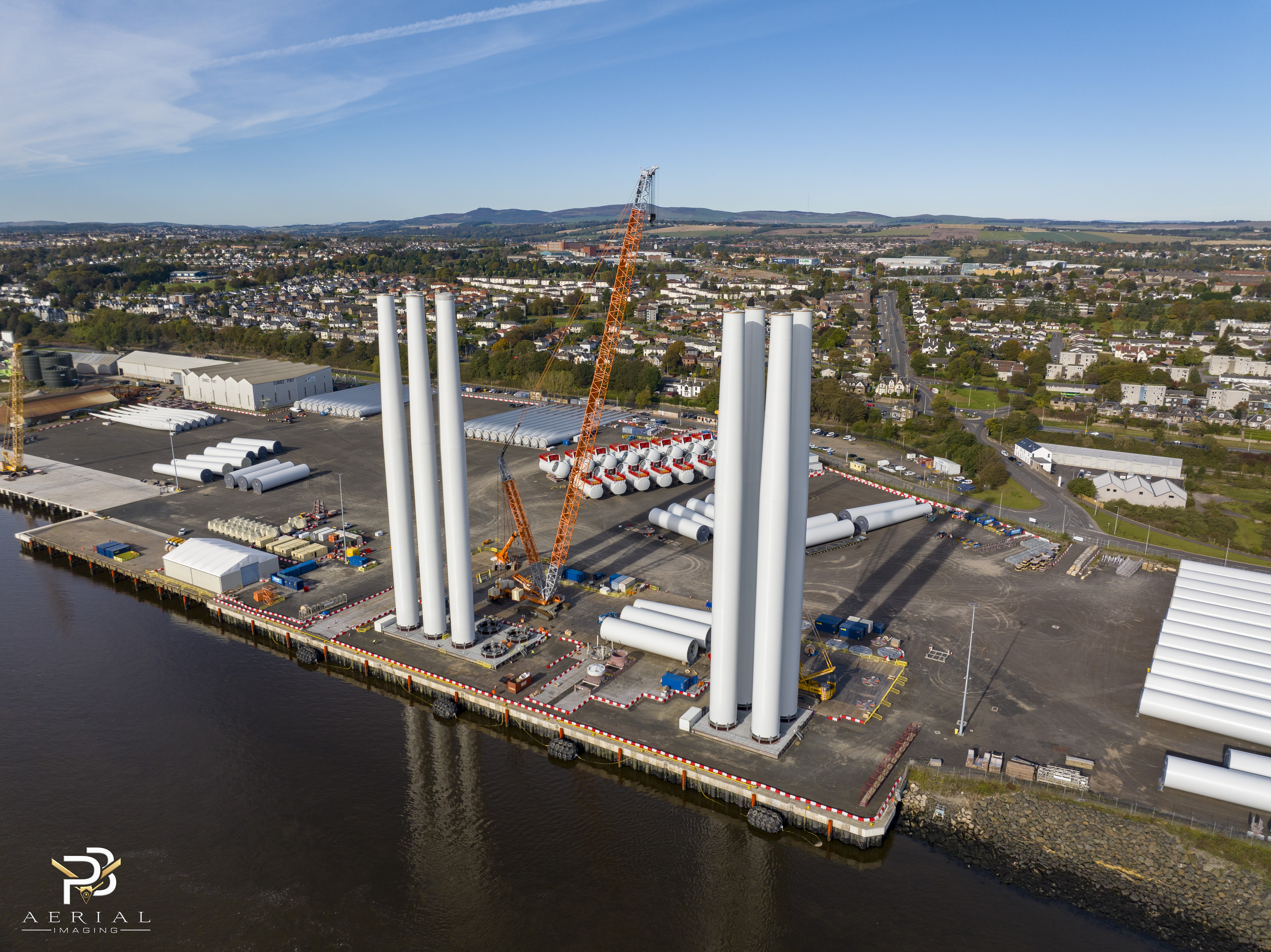
Safety is paramount in industrial settings. Aerial inspections enhance safety by reducing the need for workers to operate in hazardous conditions, offering a clear view of potential risks.
Identifying Potential Hazards
Drones are adept at spotting hazards that might be missed from the ground. With their ability to hover and zoom into hard-to-reach places, they provide a comprehensive view of your site. Identifying risks before they become problems is crucial. By using drones, you can implement preventative measures, avoiding accidents and ensuring a safer work environment for everyone involved.
Minimising On-site Risks
The fewer personnel on site, the lower the risk of accidents. Drones take on the task of on-site inspections, allowing workers to focus on other critical activities. This shift not only enhances safety but also increases productivity. Most people think on-site inspections require plenty of manpower, but drones challenge this assumption, proving that fewer people can achieve more with the right technology.
Supporting HSE Compliance
Meeting HSE standards is non-negotiable. Drones provide the evidence needed for compliance checks, from capturing images of safety equipment placement to documenting site conditions. By reducing the need for manual documentation, drones ensure you have up-to-date records ready for review. This not only supports compliance but also makes the audit process smoother and more efficient.
Ensuring Compliance on Industrial Sites

Compliance isn’t just about ticking boxes; it’s about ensuring that every aspect of your site is safe and meets regulatory standards.
Detailed Reporting for Audits
Drones excel at creating detailed reports that are essential for audits. With high-resolution imagery and data collection, you can present clear evidence of compliance. These reports are not only comprehensive but also easy to interpret, making audits less daunting and more straightforward. Having accurate documentation ready can greatly ease the audit process, demonstrating your commitment to safety and excellence.
CDM Compliance Evidence
Construction Design and Management (CDM) regulations require proof of compliance at every stage. Drones provide this evidence effortlessly. By capturing the site from various angles and creating detailed maps, they offer undeniable proof of compliance. This capability supports your efforts to maintain high standards and avoid legal issues.
Asset Integrity Inspections
Maintaining the integrity of assets is critical to preventing failures. Drones conduct thorough inspections, identifying wear and tear before it leads to breakdowns. They offer a proactive approach to maintenance, ensuring that assets remain in top condition. By catching issues early, you can plan maintenance activities more effectively, reducing the risk of unexpected downtime.
Frequently Asked Questions
What are the benefits of using drones for site assessments?
Drones offer a quick and comprehensive overview of sites, reducing the time and cost of traditional assessments. They capture high-quality data, allowing for more accurate planning and decision-making.
How do drones improve site safety?
By minimizing the need for manual inspections, drones reduce the risk of accidents on site. They can identify hazards from the air, allowing workers to focus on safer, more productive tasks.
Can drones ensure compliance with industry regulations?
Yes, drones provide detailed imagery and data that support compliance with HSE and CDM standards. This makes audits easier and ensures all regulations are met without hassle.
How accurate are drone surveys?
Drone surveys are known for their high accuracy, often achieving centimetre-level precision. This accuracy is crucial for tasks like topographical mapping and asset inspections.
What industries benefit most from drone surveys?
Industries such as renewable energy, construction, and oil and gas benefit significantly from drone surveys. They offer efficient, safe, and reliable solutions for planning, inspections, and compliance.
