
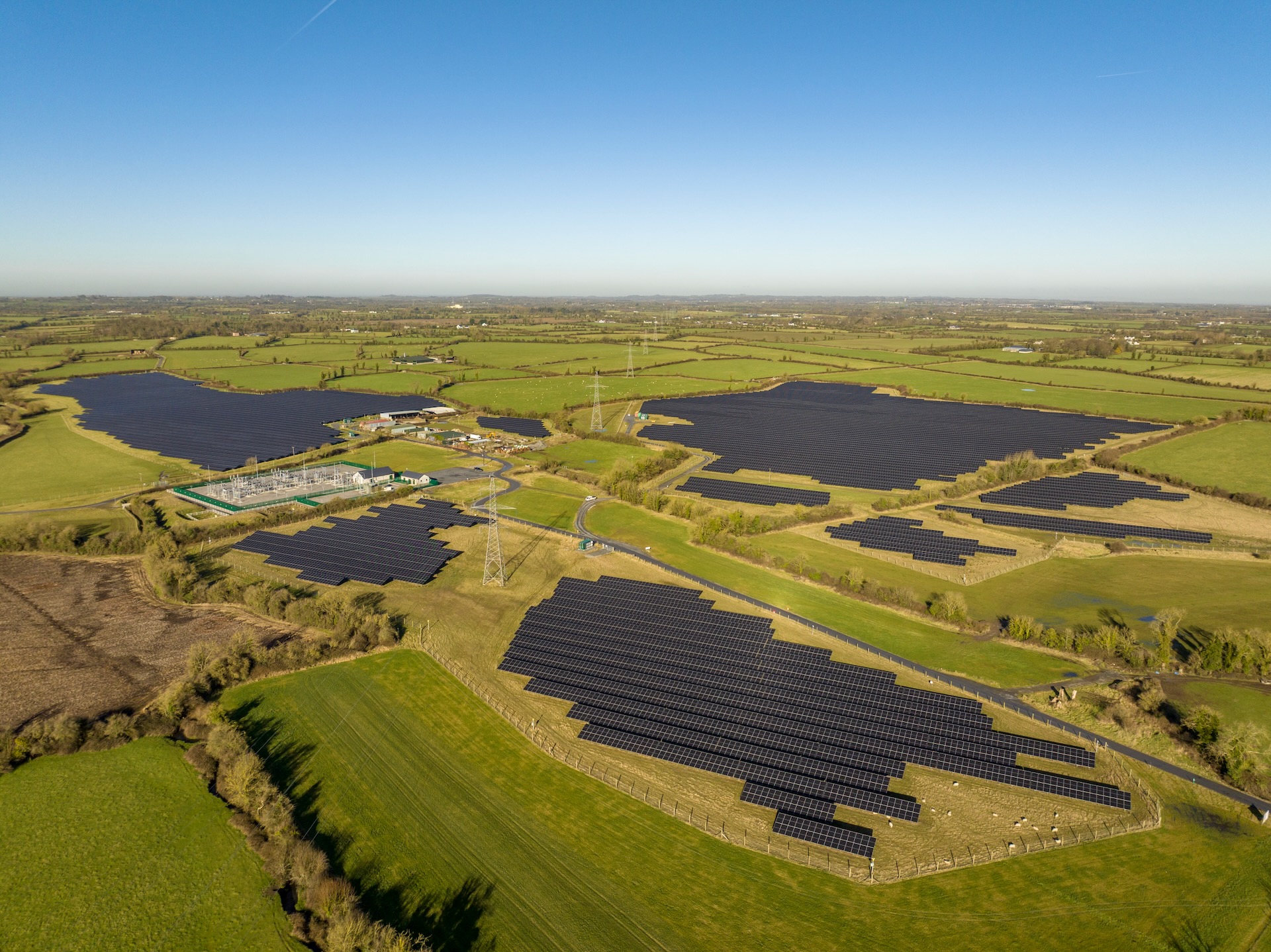
Integrating Drone Thermal Imaging for Proactive Renewable Energy Asset Management: A Practical Guide
Drone thermal imaging is changing how you manage renewable energy assets. Relying on outdated inspection methods means risking costly downtime and missed faults. This guide shows how UAV thermography fits into your O&M workflows, helping you spot issues early, reduce failures, and boost yield. You’ll get clear steps on hardware, flight planning, data quality, and integrating results with your maintenance systems. For more information, visit this link.
Proactive Maintenance with Drone Thermal Imaging
Harnessing drone thermal imaging lets you tackle maintenance before issues escalate. This proactive approach significantly improves the health and productivity of renewable energy assets.
Benefits of UAV Thermography
UAV thermography offers a new level of insight into asset conditions:
-
Early Detection: Identify faults like PV hotspots and turbine anomalies before they worsen. This helps avoid costly repairs and downtime.
-
Precision: Pinpoint issues with string-level fault detection, ensuring targeted maintenance.
-
Comprehensive Coverage: Drones can inspect vast areas quickly, gathering detailed data that manual checks often miss.
By investing in drone technology, you can expect to see improvements in both operational efficiency and asset longevity.
Addressing Common Renewable Energy Faults
Renewable energy systems are complex, with unique challenges:
-
Solar Panels: Detect PV hotspots that reduce panel efficiency. A faulty cell can cause energy loss, leading to lower yields.
-
Wind Turbines: Use thermal anomaly mapping to find overheating components. This proactive measure helps maintain optimal performance.
Most asset managers think traditional methods suffice, but drone imaging reveals what the eye can’t see, enabling more effective maintenance strategies.
Enhancing Safety and Reducing Downtime
Safety and uptime are paramount in renewable energy operations:
-
Risk Reduction: Drones eliminate the need for personnel to access hazardous areas, enhancing safety protocols.
-
Minimised Downtime: Quickly diagnose and address faults, keeping systems online and productive.
The longer you wait to adopt these technologies, the more you risk unnecessary safety hazards and revenue loss from downtime.
Essential Tools for Effective Inspections
To get the most from drone thermal imaging, you need the right tools and strategies. Discover the key components that make inspections effective.
Choosing the Right Thermal Hardware
The choice of hardware sets the foundation for accurate data:
-
Cameras: Use high-resolution thermal cameras that offer clear, detailed images of asset conditions.
-
Drones: Select robust drones capable of handling various environmental conditions.
Invest wisely in quality equipment. This ensures reliability and precision in your inspections, setting you up for success.
Flight Planning for Accurate Data Capture
Planning is everything in drone operations:
-
Site Assessment: Understand the layout and key areas of interest.
-
Flight Path: Plan efficient routes to cover the whole site without redundancies.
-
Timing: Conduct flights during optimal conditions, like early morning or late afternoon, to avoid heat distortion.
Effective planning ensures data accuracy, providing you with reliable insights to guide maintenance decisions.
Radiometric Thermal Mapping and Analytics
Advanced analytics turn data into actionable insights:
-
Radiometric Mapping: Create detailed maps highlighting temperature variations across assets.
-
Analytics Software: Use software to analyse data, identifying trends and anomalies.
This process allows for precise and informed decision-making, leading to more effective maintenance strategies and increased asset performance.
Integrating Thermal Data into Existing Systems
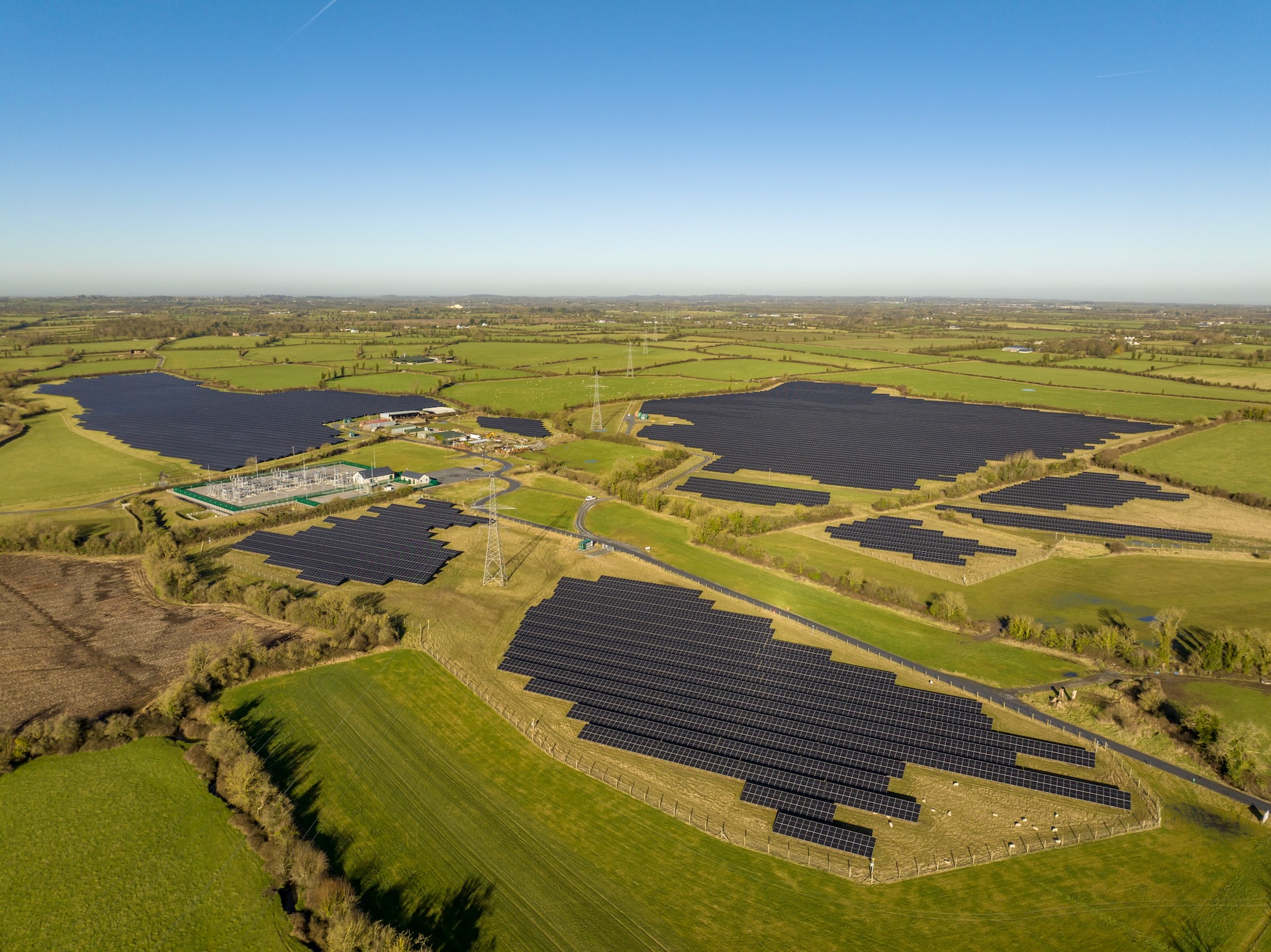
Integrating thermal data into your current systems enhances your maintenance processes, making them more efficient and data-driven.
CMMS/SCADA Integration Explained
Integrating thermal data with CMMS (Computerised Maintenance Management Systems) and SCADA (Supervisory Control and Data Acquisition) systems streamlines operations:
-
Data Flow: Automatically sync thermal data with your maintenance systems.
-
Alerts: Set up alerts for anomalies, enabling quick response and repair.
This integration creates a seamless flow of information, empowering you to act swiftly and effectively on thermal insights.
Georeferenced Thermal Orthomosaic Creation
Create detailed maps that provide a visual representation of thermal data overlaid on your assets:
-
Accuracy: Orthomosaics offer a precise, georeferenced view of asset conditions.
-
Clarity: Visual data aids in quicker, more intuitive decision-making.
These maps serve as a vital tool for asset managers, providing a clear picture of where attention is needed.
Streamlining O&M Processes with Predictive Maintenance
Predictive maintenance is the future of asset management:
-
Data-Driven Decisions: Use insights from thermal data to anticipate and prevent failures.
-
Cost Savings: Reduce maintenance costs by addressing issues before they escalate.
By focusing on predictive rather than reactive measures, you optimise operations and extend the lifespan of your renewable energy assets.
By integrating UAV thermography into your O&M workflows, you enhance condition-based maintenance, reduce downtime, and boost yield effectively. Start leveraging drone thermal imaging today to unlock the full potential of your renewable energy assets.
