
Offshore Drone Inspections in the UK & EU: A Comprehensive Guide to Safety Protocols and Compliance
Offshore drone inspections demand more than just skilled pilots—they require strict adherence to drone safety protocols that protect assets, crews, and compliance status. Navigating UK CAA Operational Authorisation and EASA drone regulations can feel overwhelming, especially when coordinating SIMOPS and managing RAMS offshore. This guide breaks down every essential step, so your inspections run smoothly, safely, and fully compliant across the UK and EU.
Drone Safety Protocols for Offshore Inspections
Understanding the complex landscape of offshore inspections is crucial for success. Let’s break down the essential protocols that ensure safety and compliance.
Understanding UK CAA Operational Authorisation
Navigating the UK CAA Operational Authorisation is critical. It sets the stage for compliant drone operations by defining necessary permissions and guidelines.
To operate drones offshore legally, you need authorisation from the Civil Aviation Authority (CAA). This authorisation involves meeting specific safety standards and operational procedures. The CAA requires detailed knowledge of airspace and restrictions. You must submit an application demonstrating your capability to manage these aspects. This process ensures that your operations do not pose risks to people or property.
As a drone operator, understanding the intricacies of UK airspace is vital. The CAA provides a framework that helps manage these complexities. Mastery of these regulations not only ensures compliance but also safeguards your operations from potential legal issues.
Navigating EASA Drone Regulations
Once you’ve grasped UK CAA guidelines, understanding EASA regulations is next. EASA oversees drone operations across Europe, providing a unified regulatory approach.
EASA regulations require drone operators to adhere to specific safety and operational standards. These regulations cover everything from drone maintenance to pilot training. Compliance ensures that your operations are safe and reliable. To stay compliant, operators must stay informed about any updates or changes in EASA guidelines. Regular reviews of these regulations are essential for maintaining operational standards.
While EASA provides a comprehensive framework, adapting to its requirements can be challenging. Engaging with resources such as EASA’s comprehensive guide can aid in understanding these regulations.
Implementing RAMS and Permits to Work
Effective implementation of RAMS and permits to work is key. These tools help manage risks and ensure that all operations are documented and safe.
RAMS (Risk Assessment and Method Statement) are vital for identifying potential risks and outlining measures to mitigate them. By developing detailed RAMS, you ensure that every aspect of the operation is considered. Alongside RAMS, obtaining a permit to work is essential. This permit ensures that everyone involved is aware of the operational scope and safety measures.
Implementing these tools requires a structured approach. Regular updates and reviews of RAMS documents ensure that they remain relevant and effective. A well-documented RAMS and permit process not only boosts safety but also enhances compliance.
Ensuring Compliance and Coordination

With safety protocols in place, the next focus is ensuring seamless compliance and coordination. This section covers essential elements like certified pilots and operational coordination.
GWO Certified Drone Pilots and SIMOPS
Certified pilots play a crucial role in offshore drone operations. Their expertise ensures that safety protocols are followed meticulously.
GWO certification is vital for pilots operating in offshore environments. This certification covers essential areas such as safety procedures and emergency response. Certified pilots bring a level of professionalism and expertise that is crucial for success. Their training ensures that they can handle the unique challenges of offshore environments.
In addition to certified pilots, effective SIMOPS coordination is necessary. SIMOPS (Simultaneous Operations) refers to managing multiple operations in the same area. Proper coordination prevents conflicts and enhances safety. Engaging experienced pilots and effective SIMOPS coordination ensures a smooth operation.
EVLOS Operations and RTK Drones
Exploring advanced operational techniques like EVLOS and RTK technology can significantly enhance your inspection capabilities.
EVLOS (Extended Visual Line of Sight) operations allow pilots to conduct inspections beyond their immediate visual range. This capability expands the operational scope, enabling comprehensive coverage of large offshore areas. It requires additional observers and specialised training to ensure safety.
RTK (Real-Time Kinematic) drones offer high-precision data capture. This technology enhances accuracy, making it invaluable for detailed inspections. By using RTK technology, you can achieve precise measurements and mapping. Combining EVLOS with RTK drones provides a powerful toolset for offshore inspections.
Asset Integrity and Marine Environment UAVs
Ensuring asset integrity is vital for offshore operations. UAVs designed for marine environments enhance inspection efficiency and safety.
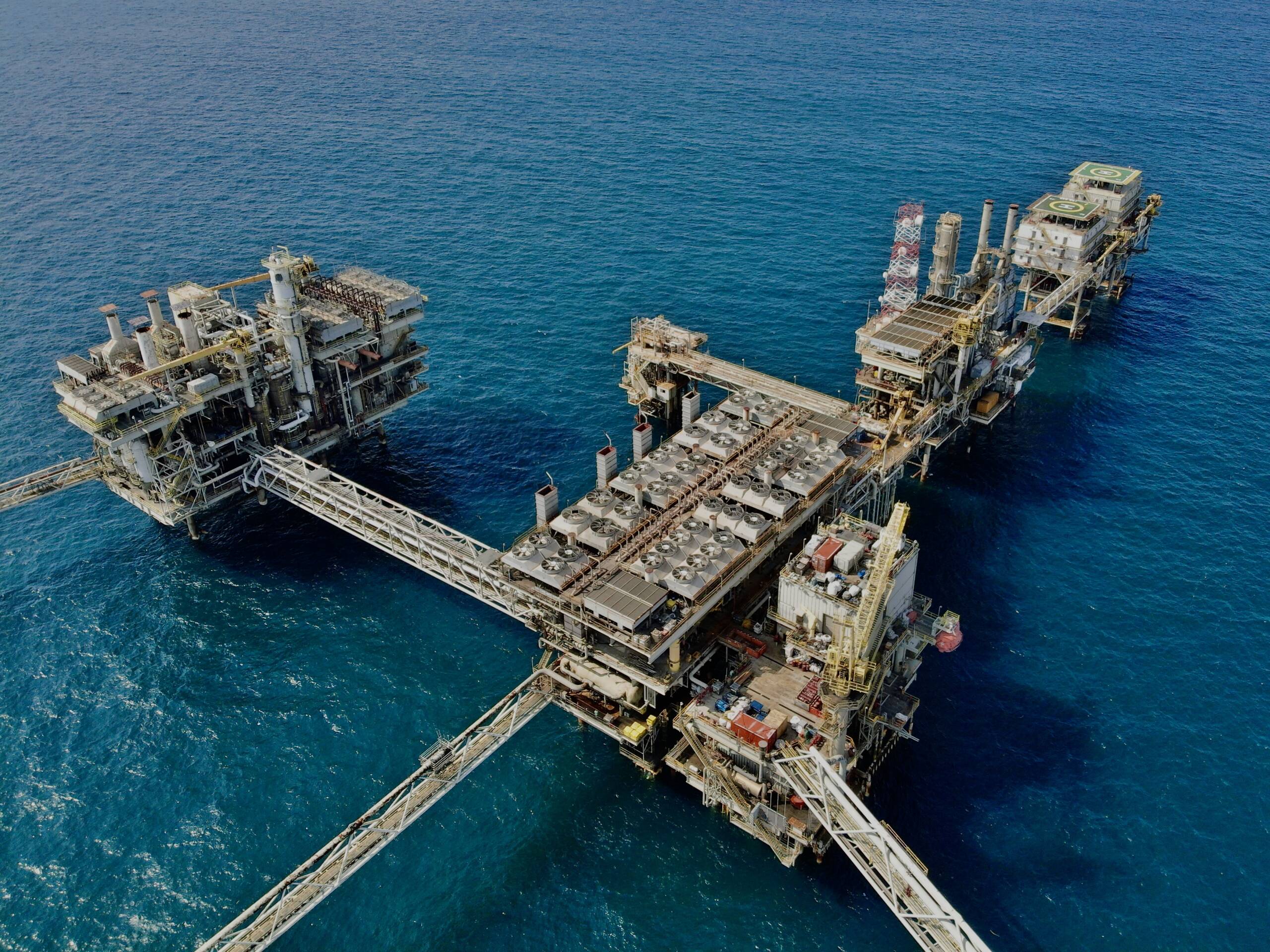
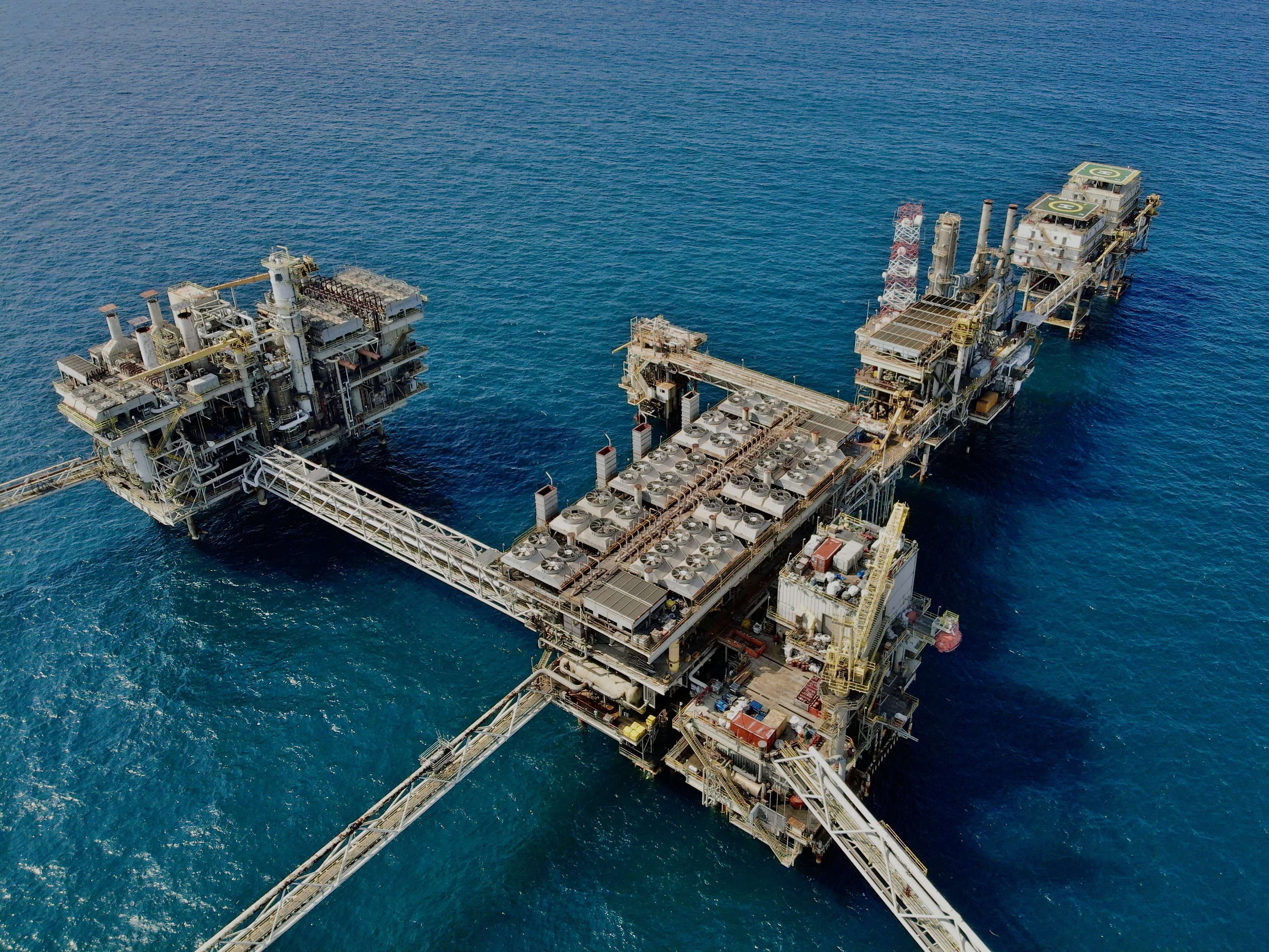
Marine environment UAVs are specially equipped to handle harsh offshore conditions. They provide detailed inspections of assets such as oil platforms and wind turbines. These UAVs offer real-time data, allowing for immediate analysis and decision-making. Ensuring asset integrity with marine environment UAVs reduces risk and enhances operational efficiency.
By investing in specialised UAVs, you ensure inspections are thorough and reliable. This investment is crucial for maintaining high safety standards and operational excellence.
Advanced Inspection Techniques

Taking your inspection capabilities to the next level involves employing advanced techniques. These approaches provide deeper insights and enhance inspection outcomes.
Precision in Offshore Data Capture
Achieving precision in data capture is the cornerstone of effective inspections. Accurate data ensures informed decision-making and enhances asset management.
Using high-resolution sensors and advanced mapping tools, you can capture detailed data of offshore assets. This precision allows for the early detection of potential issues, enabling proactive maintenance. Accurate data capture also supports compliance by providing evidence of thorough inspections.
Investing in precision tools and techniques enhances the quality of your inspections. It ensures that your operations remain at the forefront of technological advancement.
Thermal Imaging and High-Resolution Payloads
Incorporating thermal imaging and high-resolution payloads can transform your inspection capabilities. These technologies provide insights that are not visible to the naked eye.
Thermal imaging is particularly useful for detecting temperature anomalies in assets. This capability is crucial for identifying potential equipment failures. High-resolution payloads, on the other hand, offer detailed visual inspections. They enable you to capture intricate details of offshore structures.
By integrating these technologies, you enhance the depth and accuracy of your inspections. This integration is vital for maintaining asset integrity and operational safety.
Applications in Wind, Oil, and Gas Inspections
Drone technology has diverse applications in offshore industries. From wind turbines to oil rigs, drones offer unparalleled inspection capabilities.
In the wind energy sector, drones are used for blade inspections and structural assessments. They provide high-resolution images that help identify wear and damage. In the oil and gas industry, drones offer safe and efficient inspections of platforms and equipment. They reduce the need for manual inspections, enhancing safety and efficiency.
By leveraging drone technology, you can perform thorough inspections across various industries. This versatility is crucial for adapting to the unique needs of each sector.
In conclusion, mastering drone safety protocols and compliance ensures that your offshore operations are efficient, safe, and reliable. With the right tools and expertise, you can achieve excellence in inspections and asset management.
