
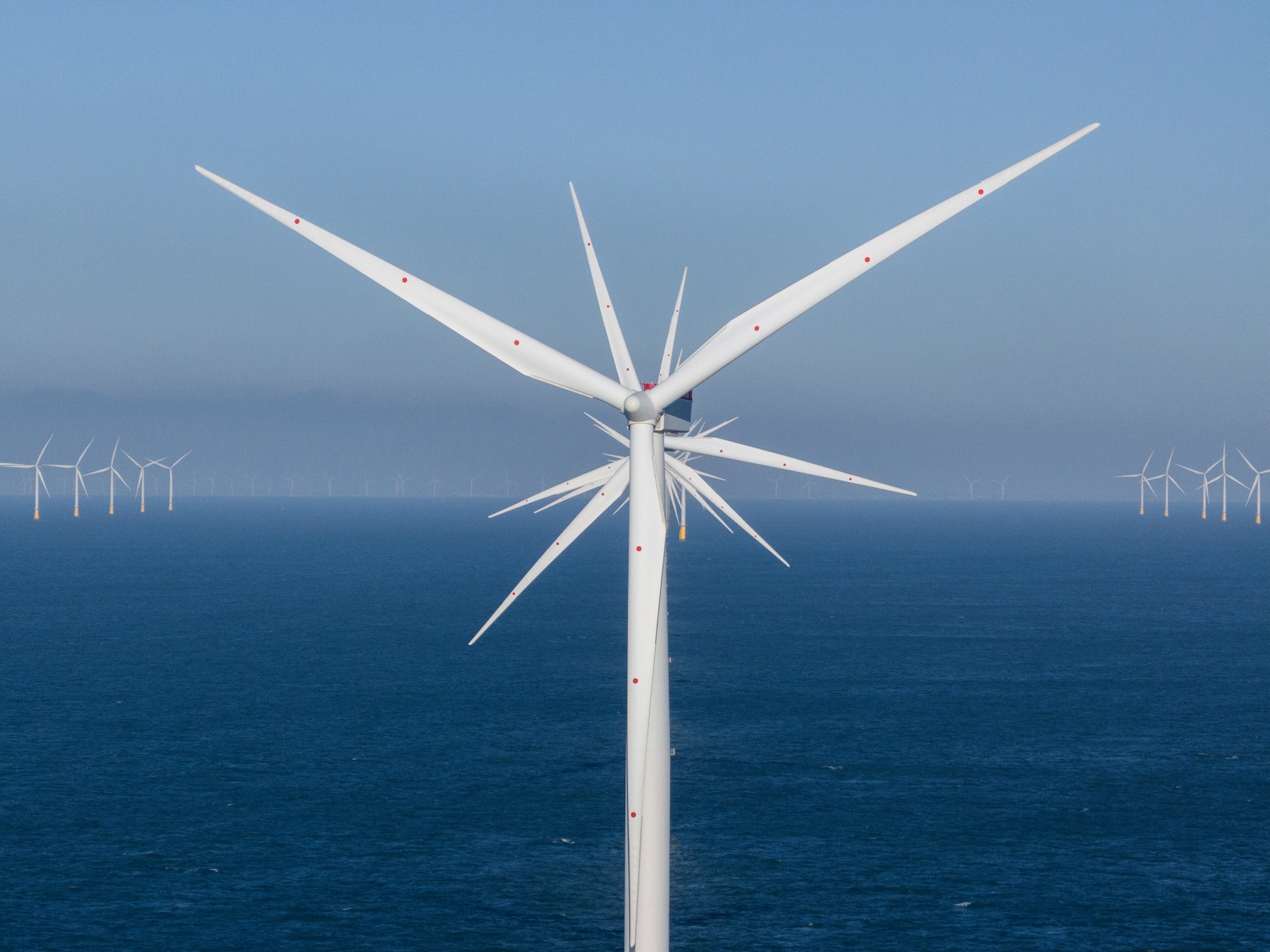
Offshore drone inspections are reshaping how you manage asset integrity in 2026. If you’re still relying on traditional methods, you’re missing out on safer, faster, and more precise inspections. This guide breaks down what you need to know about compliance, data quality, and ROI so you can make informed decisions for your offshore wind, oil and gas, or marine infrastructure projects. For more insights on how drones are solving the difficulties of offshore inspections, visit this link.
Offshore Drone Inspections Essentials
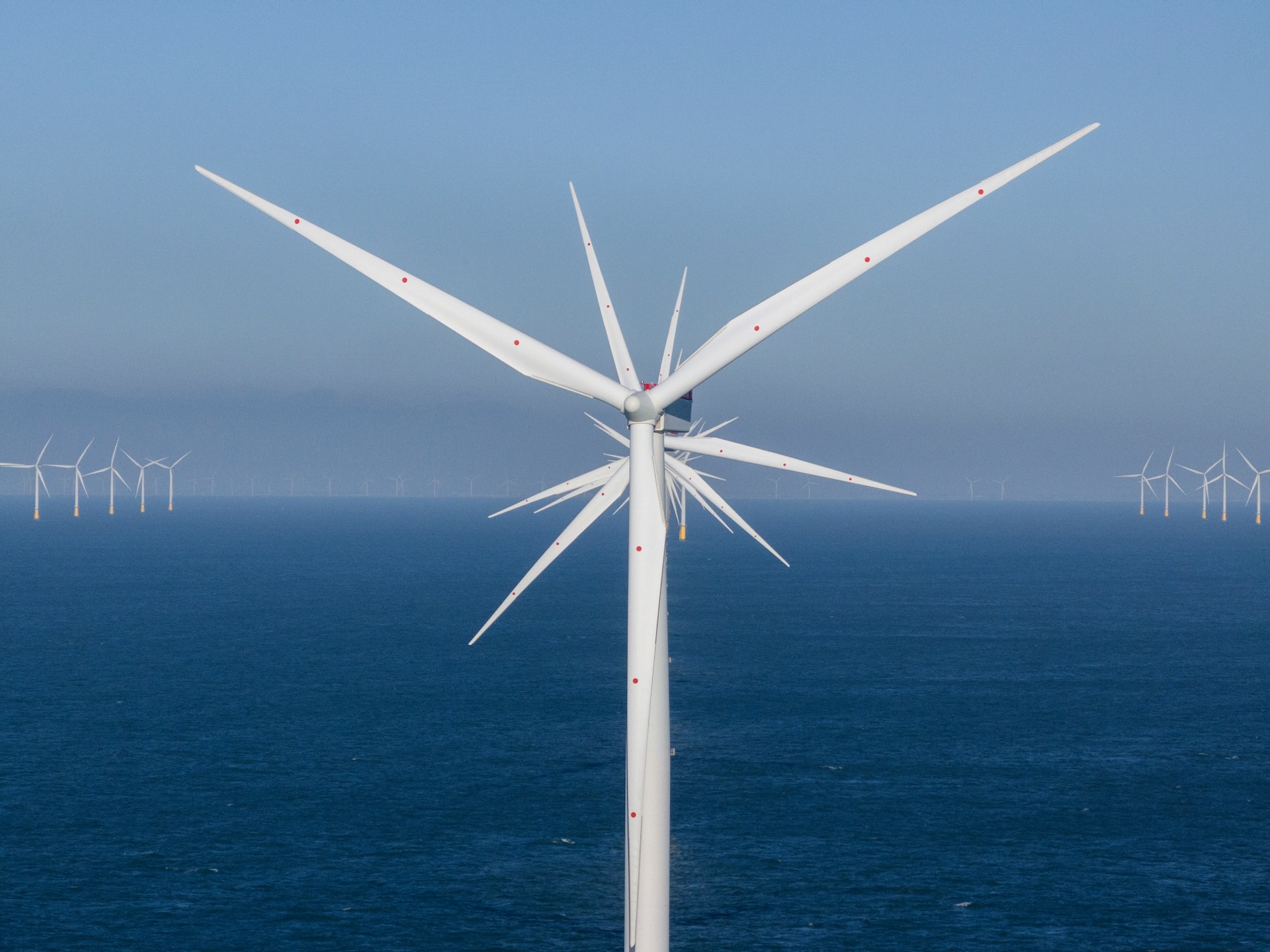
Drone inspections are becoming a staple for offshore asset management, with a strong focus on compliance and safety.
Compliance and Safety Standards
Safety is not just a priority; it’s a necessity. For offshore inspections, adhering to safety standards is crucial. You might wonder how drones fit into this framework. They offer a way to inspect without putting human lives at risk. Traditional methods often require personnel to be in potentially hazardous conditions. Drones, however, can navigate these environments with precision. This not only mitigates risk but also aligns with stringent safety regulations. When you employ drone technology, you ensure compliance with industry standards. It’s a smart move for any operation prioritising safety.
Data Deliverables You Require
Getting the right data is key to maintaining asset integrity. Through advanced drone technology, you receive detailed and high-quality data. This data is crucial for assessing the condition of your assets. Instead of vague reports, you receive clear imagery and accurate measurements. For example, a thermal imaging inspection can spot faults invisible to the naked eye. This precision allows for timely maintenance and prevents costly downtime. With drones, you’re not just gathering data; you’re acquiring insights that drive better decision-making.
Calculating ROI on Drone Inspections
Investing in drone inspections might feel like a leap, but the return can be substantial. Consider the savings on labour costs and reduced downtime. Drones cover large areas swiftly, delivering results in a fraction of the time. This efficiency translates into significant savings. Moreover, drones minimise the need for shutdowns, maintaining productivity. By evaluating the cost against the benefits, you’ll find that drone inspections offer a positive return on investment. The longer you rely on outdated methods, the more potential savings you miss.
Precision in Inspection Services
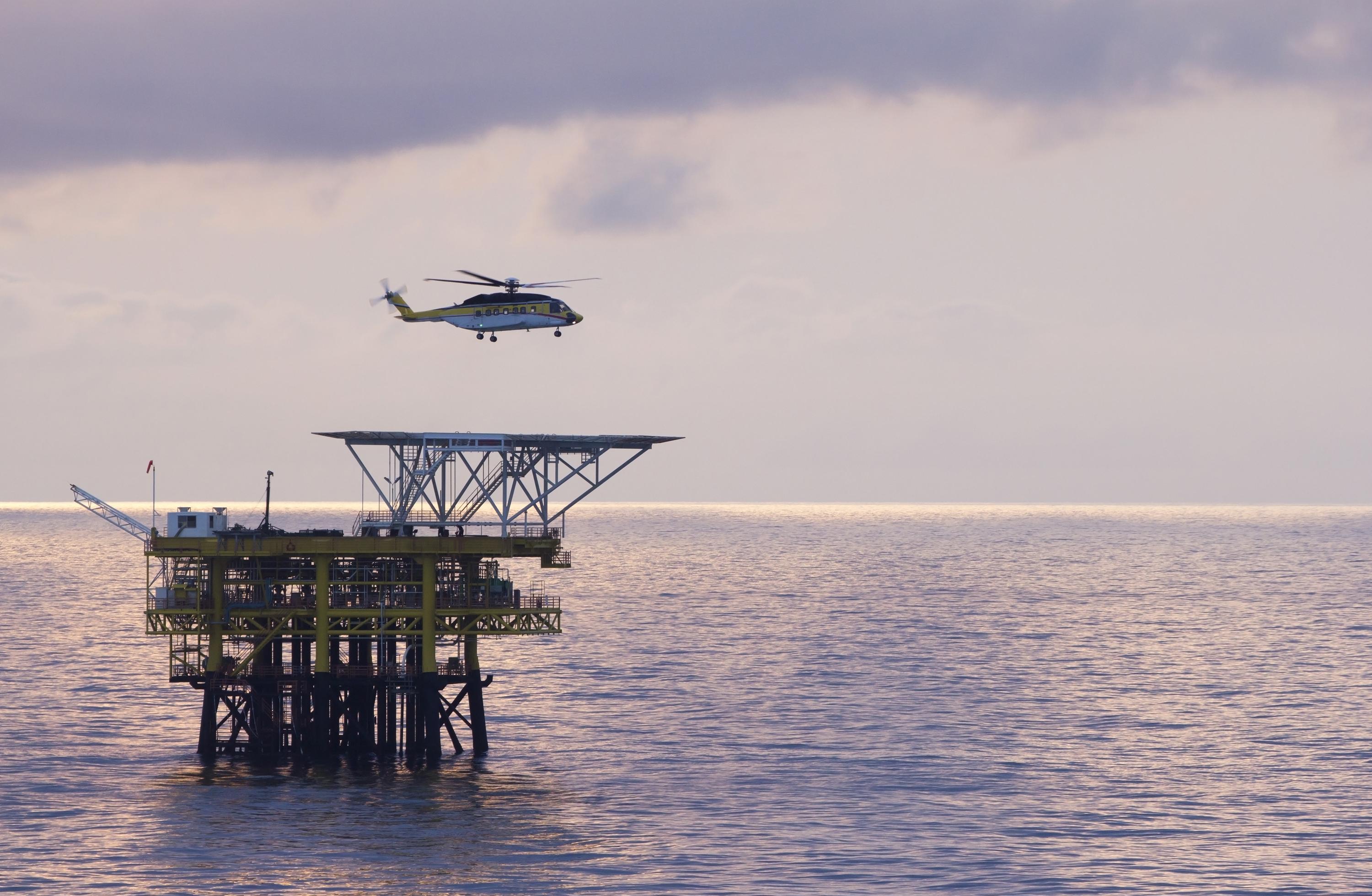
Precision in inspection is more than just accuracy; it’s about delivering unmatched clarity and detail in every mission.
GWO Certified Drone Pilots
Qualified pilots ensure that your operations run smoothly. With GWO certified drone pilots, you have assurance in their expertise and safety compliance. These certifications are not just credentials; they reflect a rigorous training and understanding of offshore environments. When you work with certified professionals, you reduce the risk of errors and enhance the quality of your inspections. This expertise is vital for complex environments like the North Sea, where conditions can be unpredictable.
Technology for High-Resolution Imaging
Technology plays a critical role in delivering high-resolution imaging. The drones used for offshore inspections come equipped with the latest cameras, capturing every detail with precision. This technology enables you to identify even the slightest anomalies, such as corrosion or structural damage. High-resolution imaging ensures that nothing is overlooked. When you can see everything clearly, you make informed decisions about maintenance and repairs. Investing in this technology means investing in the longevity of your assets.
Drone Services in the North Sea
Operating in the North Sea presents unique challenges. Weather conditions are harsh, and the stakes are high. Drone services here are designed to tackle these challenges head-on. Our drones are built to withstand extreme conditions, ensuring consistent performance. This reliability means you can trust in the data you receive, regardless of the environment. In the North Sea, precision and reliability are non-negotiable, and our services deliver on both fronts.
Benefits of UAV Inspections
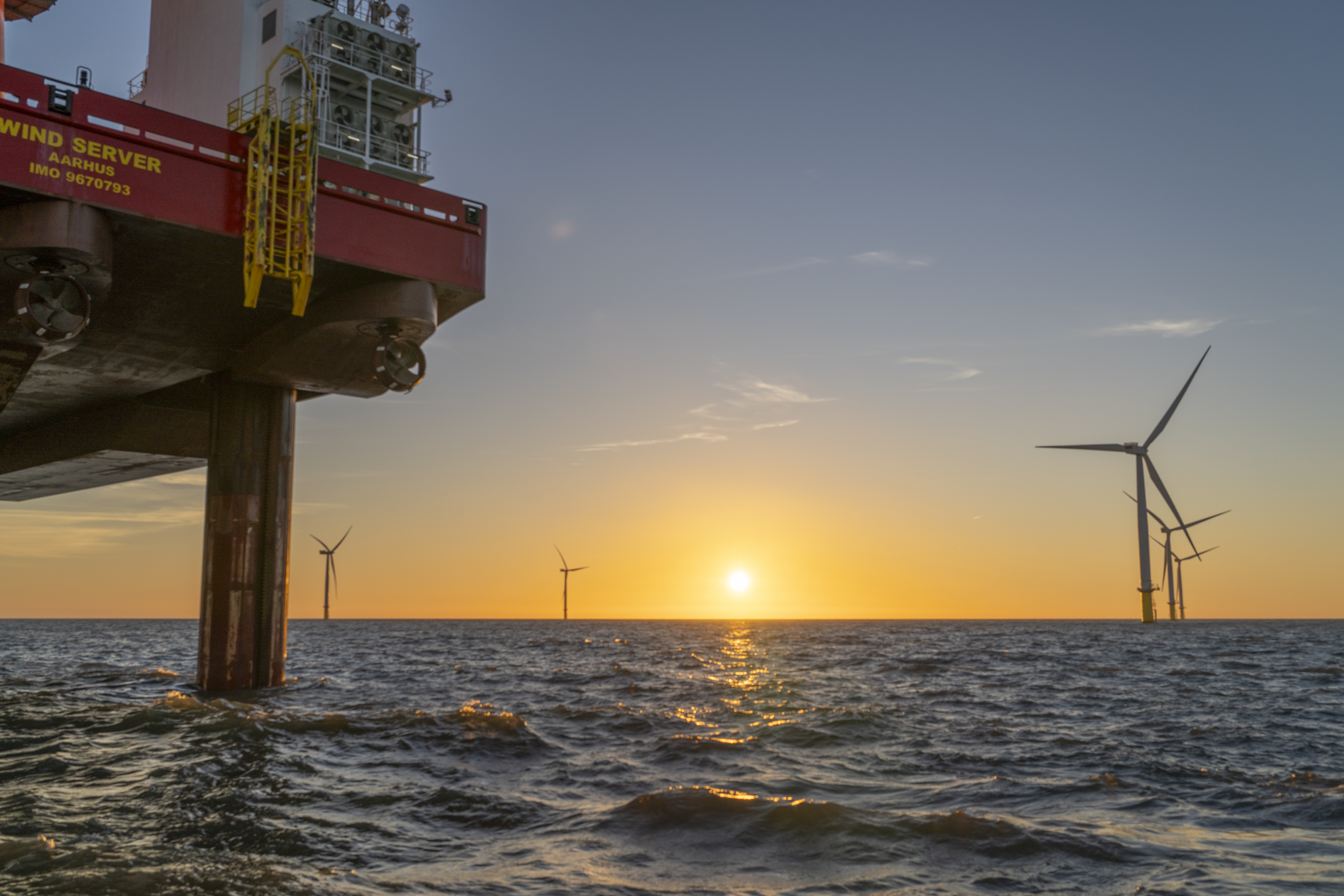
The advantages of UAV inspections extend beyond mere convenience; they redefine efficiency and effectiveness in asset management.
Reducing Shutdowns and Downtime
One of the most significant benefits of UAV inspections is the reduction in shutdowns. Traditional inspections often mean halting operations. With drones, inspections are swift and non-intrusive, keeping your operations running. This continuity is crucial for maintaining productivity and meeting deadlines. The less downtime you experience, the more profitability you achieve. When every minute counts, drones provide a practical solution to keep things moving.
Enhanced Asset Integrity Inspection
Maintaining asset integrity is crucial for operational success. Drones offer enhanced inspection capabilities that surpass traditional methods. They can access hard-to-reach areas, providing comprehensive coverage. This capability ensures that all parts of your asset are inspected thoroughly. By identifying issues early, you can address them before they escalate, safeguarding your operations and extending the lifespan of your assets.
Alternatives to Traditional Methods
Traditional inspection methods are often labor-intensive and risky. Drones offer a safer, more efficient alternative. They eliminate the need for scaffolding or rope access, reducing risks to personnel. Moreover, they provide a cost-effective solution, delivering high-quality data without the overheads associated with manual inspections. Embracing drone technology is a forward-thinking approach that delivers tangible benefits, transforming how inspections are conducted.
In summary, offshore drone inspections offer a wealth of benefits that traditional methods simply can’t match. From enhanced safety and compliance to high-resolution data and reduced downtime, the advantages are clear. By integrating drones into your inspection processes, you ensure the integrity of your assets while maximising efficiency and cost-effectiveness.
