
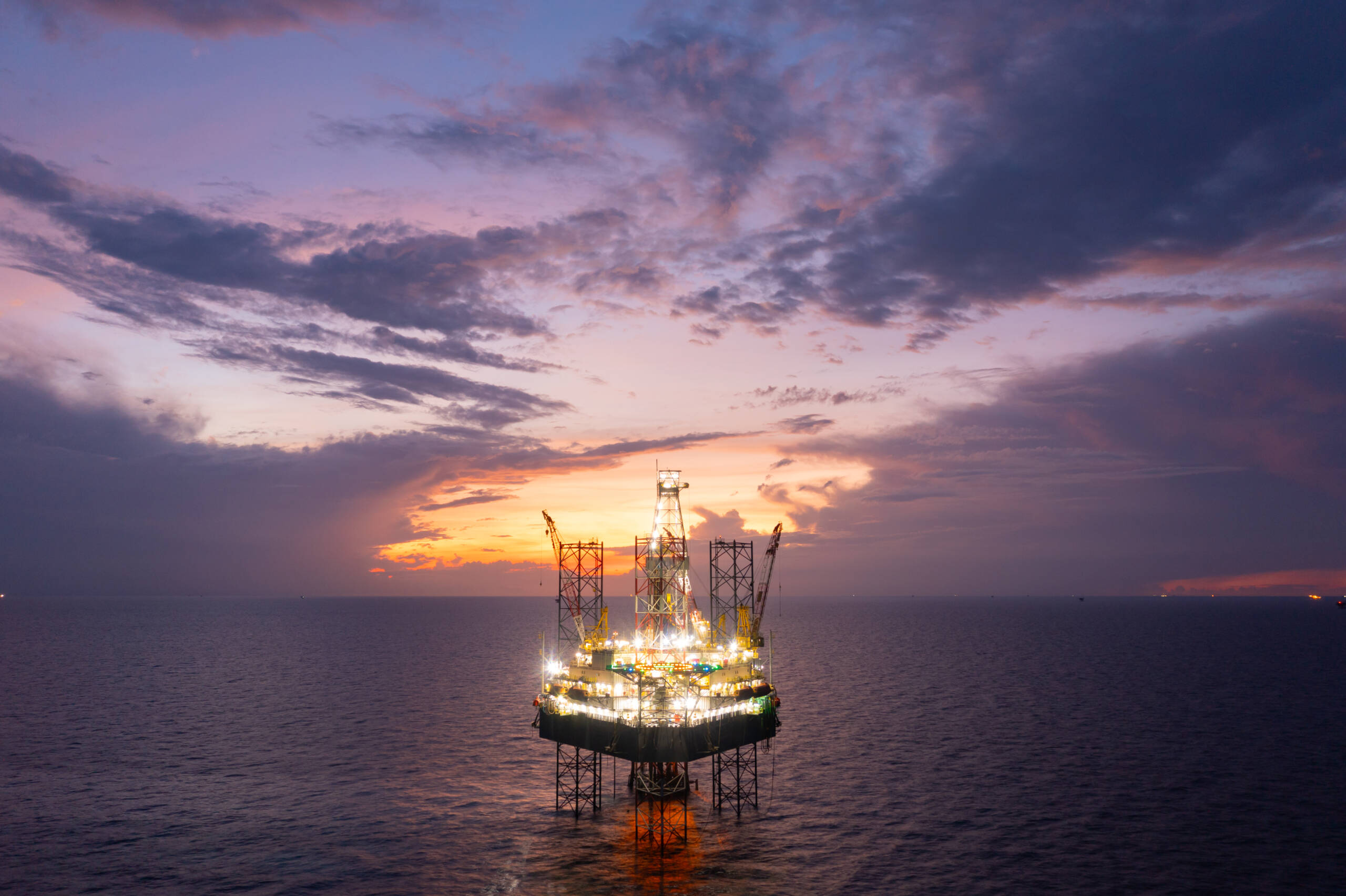
Offshore Drone Operations: A Complete Guide from Planning to Delivery
Offshore drone operations demand more than just skilled pilots—they require a flawless plan that keeps safety, compliance, and precision front and centre. Your offshore wind turbine inspection or oil and gas platform drone inspection can’t afford delays or gaps in data. This guide breaks down every step from initial planning to final delivery, showing how PB Aerial Imaging’s expertise and technology reduce risk and downtime while delivering high-resolution aerial imaging you can trust. For further reading, explore this guide.
Planning Offshore Drone Operations
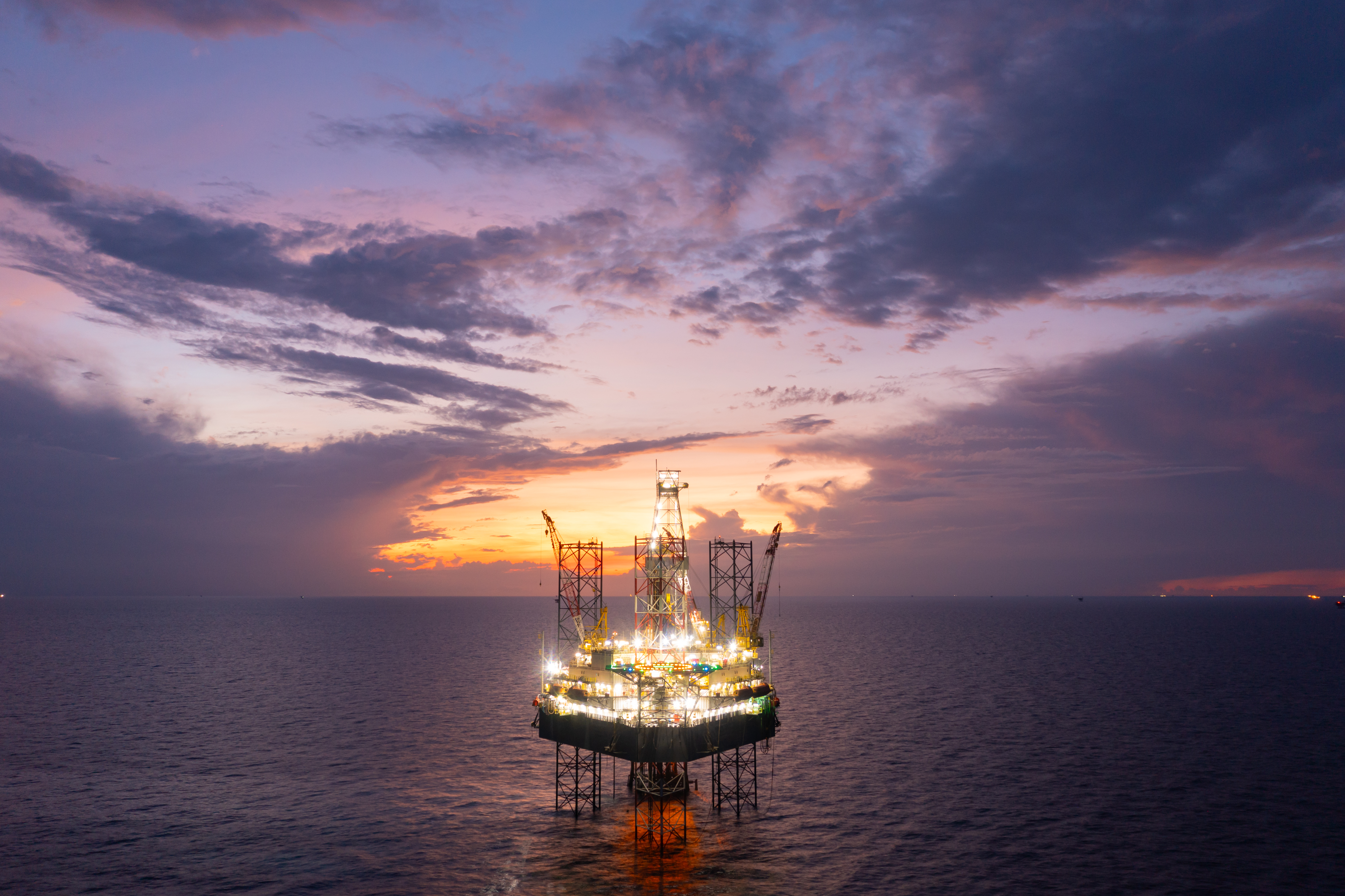
Planning offshore drone operations is a meticulous task that sets the stage for successful inspections. A well-laid plan ensures all bases are covered, from safety to technology.
Assessing Project Requirements
You start by identifying what your project needs. It’s crucial to define the scope and goals. Are you inspecting a wind turbine or an oil platform? Each project has unique demands. Factors like location, weather, and specific client requests come into play. It’s important to gather detailed information to tailor your approach. This is where PB Aerial Imaging’s expertise shines, helping you pinpoint precise requirements for effective operations.
Next, consider the timeframe. How long will the operation take? Efficiency is key, but accuracy is paramount. Plan for potential delays. By meticulously assessing requirements, you lay a solid foundation for a successful operation. If you’re looking to dive deeper into planning, the NOAA UAS Handbook is a useful resource.
Ensuring Offshore Safety Compliance
Safety compliance isn’t just a box to tick—it’s essential. Offshore environments are challenging, with strict regulations to follow. You must ensure all operations adhere to these standards. This includes obtaining necessary permits and certifications. PB Aerial Imaging is GWO certified, ensuring operations meet the highest safety standards.
Training is crucial. Your team should be well-versed in emergency procedures and risk management. Regular safety drills and equipment checks are non-negotiable. By prioritising safety, you protect your team and assets. A detailed compliance plan ensures smooth operations without legal hiccups.
Choosing the Right Drone Technology
The right technology can make or break your operation. You need drones with advanced features like RTK photogrammetry and thermal imaging. Consider the environment—offshore conditions require robust equipment. PB Aerial Imaging uses cutting-edge drones designed for these challenges.
Evaluate the payload capacity. Can the drone carry the necessary equipment? Battery life is another factor; longer flights require high-capacity batteries. By choosing the right technology, you enhance data quality and operational efficiency. For a comprehensive guide on drone technology, check out this resource.
Execution of Drone Inspections

With your plan in place, it’s time to execute the inspections. Precision and reliability are your allies in capturing essential data.
Conducting Offshore Wind Turbine Inspections
Inspecting wind turbines offshore requires precision. You begin with a pre-flight checklist. Ensure all equipment is functioning and weather conditions are favourable. Drones perform detailed inspections, capturing high-resolution images of turbine blades and structures.
Data collection is systematic. Drones fly specific patterns to cover all angles. This ensures no details are missed. The aim is to identify wear and potential issues early. Regular inspections can prevent costly repairs and downtime. This proactive approach saves time and resources.
Oil and Gas Platform Drone Inspection Techniques
Oil platforms present unique challenges. You’re inspecting critical infrastructure where precision is vital. The drone’s agility allows for inspection in hard-to-reach areas, such as flare stacks. High-resolution cameras capture every detail.
Safety is priority. Ensure the platform is secure and staff are aware of operations. Coordination with on-site teams is crucial. This collaborative approach ensures smooth operations and comprehensive inspections. The result is reliable data that informs maintenance and safety decisions.
Thermographic Drone Surveys for Marine Infrastructure
Thermographic surveys are invaluable. They detect heat variations indicating potential faults. This technology is crucial for maintaining marine infrastructure. Drones equipped with thermal cameras scan structures, identifying issues invisible to the naked eye.
Surveys are conducted systematically. Drones follow predetermined paths, ensuring comprehensive coverage. This data is analysed to pinpoint areas requiring attention. Regular thermographic surveys help maintain infrastructure integrity, preventing failures and ensuring safety.
Delivering High-Quality Data

Once inspections are complete, the focus shifts to data delivery. High-quality data is your end goal, providing actionable insights.
RTK Photogrammetry and Aerial Mapping Offshore
RTK photogrammetry offers precise mapping. This technology provides centimetre-level accuracy essential for offshore projects. Drones capture detailed images, creating accurate 3D models. These models guide maintenance and development decisions.
Data processing is meticulous. Software stitches images together, creating seamless maps. This accurate representation aids in planning and logistics. RTK photogrammetry is a powerful tool, ensuring informed decision-making and efficient operations.
Producing Cinematic Aerial Filming Offshore
Cinematic filming captures the essence of offshore operations. High-resolution footage showcases infrastructure and operations. It’s not just about visuals—it’s about storytelling. This footage is invaluable for marketing and stakeholder engagement.
Filming is strategic. Drones capture various angles and perspectives. Post-production enhances footage, adding graphics and effects. The result is compelling content that communicates your story effectively. For inspiration, explore cinematic techniques in this guide.
Compiling Compliance-Ready Reports and Models
Data is only valuable if it’s actionable. You compile detailed reports, ensuring compliance with industry standards. These reports include inspection findings, maps, and recommendations. They are essential for maintaining safety and operational efficiency.
Reports are comprehensive yet concise. They provide stakeholders with clear insights, guiding maintenance and investment decisions. Compliance-ready reports demonstrate your commitment to excellence and safety, strengthening client trust.
Conclusion
Offshore drone operations are complex but rewarding. From meticulous planning to precise execution and data delivery, each step is crucial. PB Aerial Imaging’s expertise ensures your operations are safe, compliant, and efficient. By choosing us, you invest in excellence and reliability. Explore further insights on operational excellence with this thesis.
