
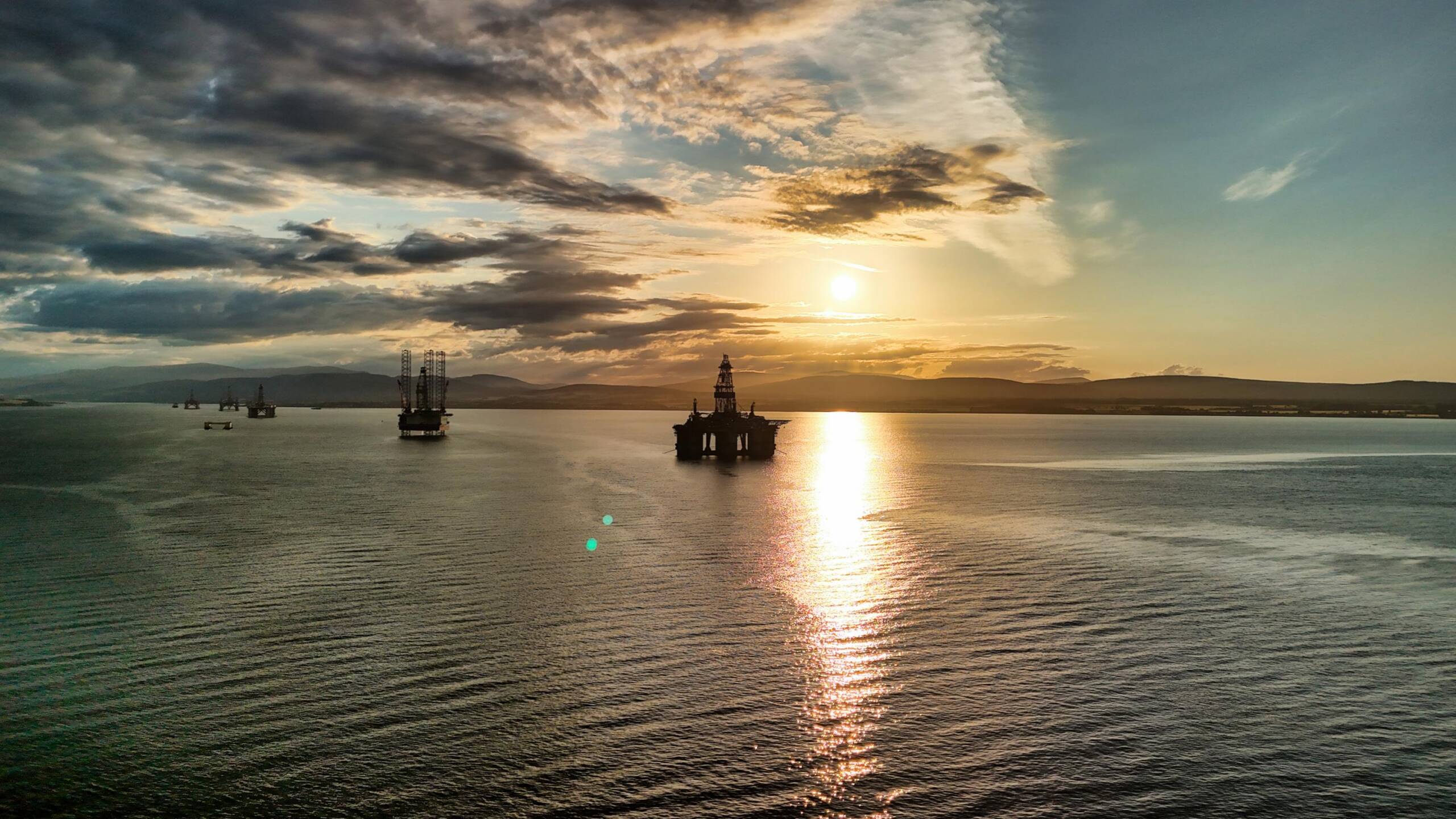
Offshore drone inspections have changed how you manage energy and oil and gas assets across the UK and Europe. Traditional methods often slow projects and increase risks, but drone technology offers a safer, faster, and more precise alternative. At PB Aerial Imaging, we combine expert GWO qualified pilots with CAA and EASA compliant operations to deliver detailed inspections that keep your assets secure and your downtime minimal. Keep reading to see how our offshore drone inspections can redefine your approach to asset integrity.
Safety and Compliance in Drone Inspections
Safety is paramount in offshore drone inspections, ensuring your operations run smoothly without compromising asset integrity. Our services provide reliability through a dedicated focus on compliance and safety.
GWO-Qualified Drone Pilots
Our pilots are equipped with GWO qualifications, ensuring they are prepared for the unique challenges of offshore environments. This training covers essential safety skills, providing peace of mind that your inspections are conducted with a priority on safety. GWO qualifications equip our pilots with capabilities such as working at height and sea survival, which are critical when dealing with offshore wind and oil platforms. This expertise ensures they can handle the intricate conditions often encountered during inspections.
Having a team of GWO-qualified pilots means that you benefit from enhanced safety protocols. These pilots are trained to respond efficiently to potential emergencies, reducing risks during inspections. This training allows them to perform inspections without unnecessary delays, assuring you of both safety and efficiency.
CAA and EASA Compliance
Operating within the stringent guidelines set by CAA and EASA, our services are built on a foundation of regulatory compliance. This adherence to standards ensures that every inspection meets national and international regulations, giving you confidence in our operations. CAA and EASA compliance signifies that our operations are legally sound and that inspections are performed to the highest standard.
Choosing a CAA and EASA-compliant service provider means you are engaging with a team that prioritises regulatory adherence. This compliance ensures that you are not only meeting the required standards but also enhancing the reliability of your asset management operations. This means you can focus on the core aspects of your business while we manage the intricacies of compliance.
Advanced Inspection Techniques
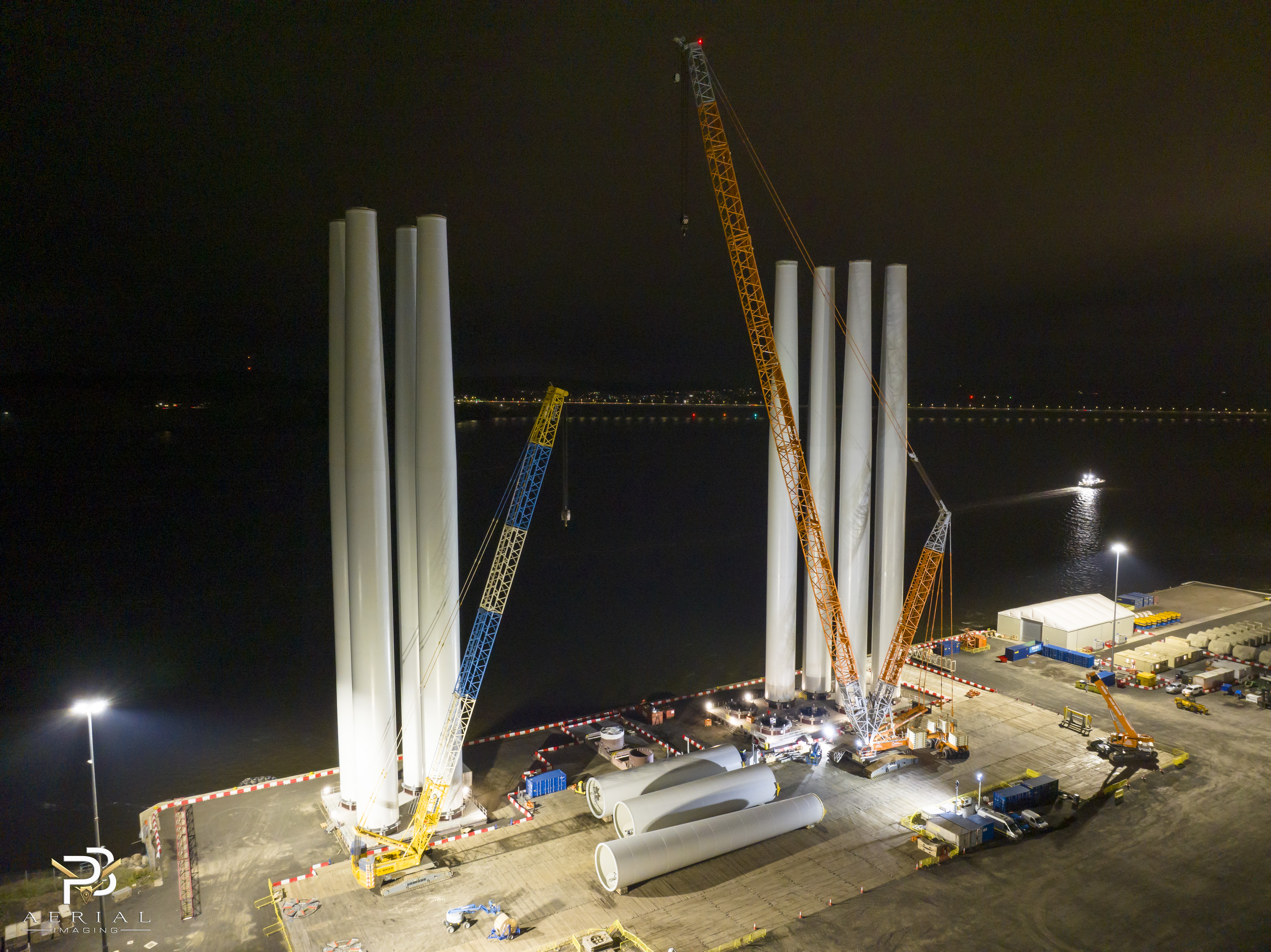
With safety and compliance assured, we turn to our advanced inspection techniques. These methods elevate the precision and depth of asset assessments, providing insights that standard inspections might miss.
High-Resolution and Thermal Imaging
Our inspections utilise high-resolution imaging and thermal imaging to deliver detailed analysis of your assets. High-resolution imaging captures minute details, vital for accurate condition assessments. Thermal imaging, on the other hand, detects heat anomalies that may indicate potential issues such as leaks or electrical faults.
Using these imaging techniques, we can identify problems early, allowing for timely interventions. This proactive approach means you can prevent minor issues from becoming major setbacks. These technologies provide a deeper understanding of asset conditions, ensuring comprehensive evaluations.
Photogrammetry and 3D Digital Twins
Incorporating photogrammetry and 3D digital twins into our inspections offers a revolutionary way to assess asset conditions. Photogrammetry allows us to create precise measurements and models from photographs, providing a comprehensive view of your assets. This is invaluable for detailed surveys and planning.
3D digital twins offer a virtual representation of your assets, enabling you to explore and interact with them remotely. This technology facilitates better decision-making by providing a realistic view of asset conditions and potential issues. These digital tools are integral to modern asset management, offering clarity and depth that traditional methods lack.
Benefits of Offshore Drone Inspections

Embracing offshore drone inspections translates to tangible benefits. These advancements not only improve inspection quality but also enhance overall operational efficiency.
Minimise Downtime and Enhance Safety
By significantly reducing inspection times, drone inspections minimise downtime. This means your assets are back in operation faster, contributing to better productivity. The use of drones eliminates many of the risks associated with traditional inspection methods, enhancing safety for all involved.
The ability to conduct inspections quickly and safely means you can maintain operational continuity. This efficiency helps in reducing costs and improving the bottom line. With drones, the need for scaffolding or rope access is eliminated, further enhancing safety.
Rapid Mobilisation Across UK and EU
Our services offer rapid mobilisation, covering the UK and EU efficiently. This flexibility ensures that inspections can be scheduled with minimal lead time, accommodating your operational needs.
The capacity to deploy quickly across regions means that your assets receive the attention they need without delay. This adaptability makes our services ideal for businesses operating in fast-paced environments where every moment counts. The longer you wait to adopt these advanced inspection methods, the more you risk in terms of time and resources.
Frequently Asked Questions
What are the main benefits of using drones for offshore inspections?
Drones provide a safer, faster alternative to traditional methods, reducing inspection times and minimising downtime. They offer enhanced safety by eliminating the need for scaffolding and rope access, and deliver high-resolution and thermal imaging data for precise assessments.
How do GWO qualifications benefit drone pilots in offshore environments?
GWO qualifications equip pilots with essential safety skills such as working at height and sea survival. This training ensures they can manage the unique challenges of offshore inspections safely and efficiently, reducing risks and improving reliability.
Why is compliance with CAA and EASA important for drone operations?
Compliance with CAA and EASA ensures that all operations meet stringent national and international regulations. This adherence guarantees legally sound operations and high-standard inspections, providing confidence and reliability in asset management.
