
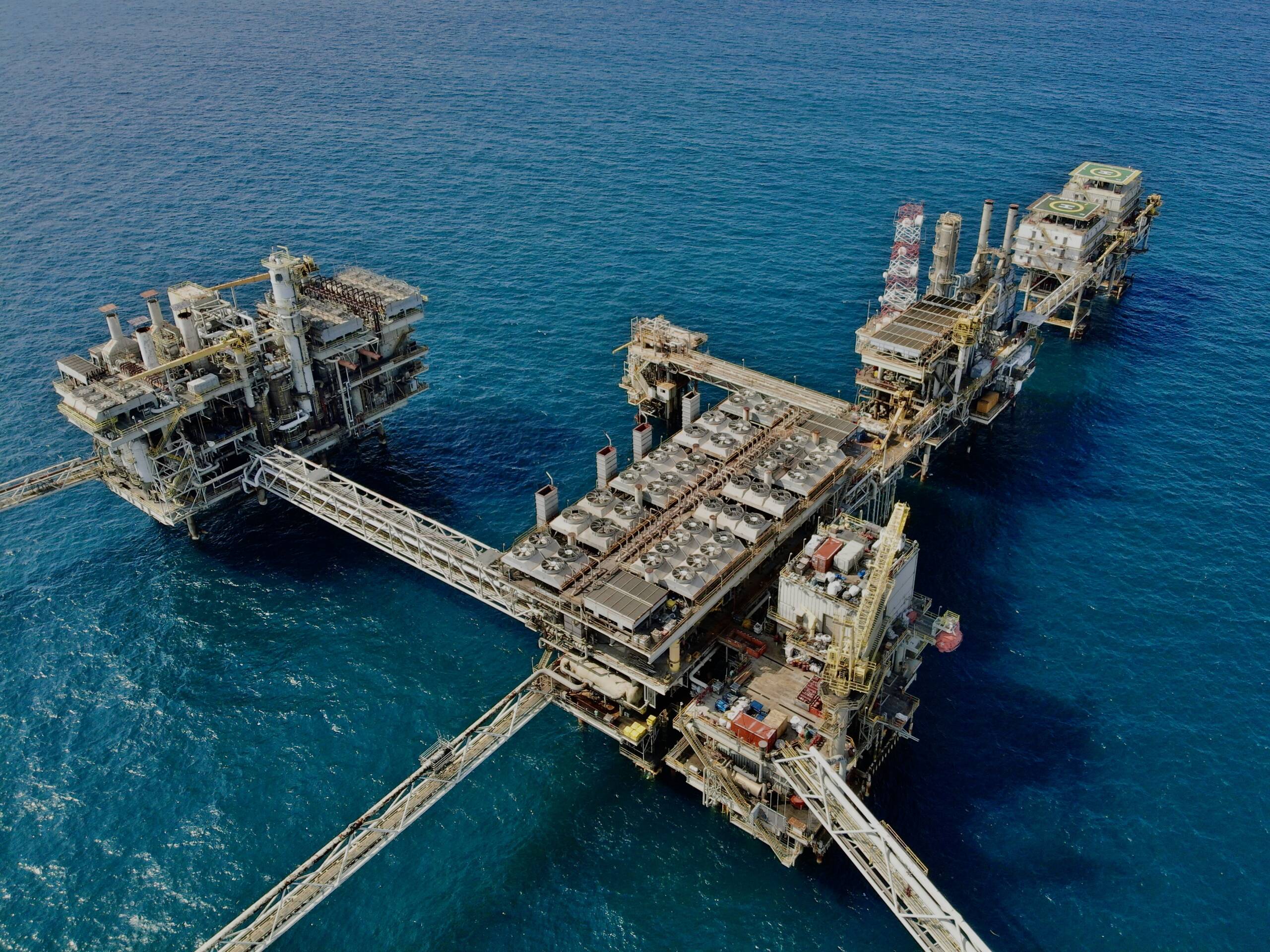
Choosing the wrong drone inspection partner can cost your offshore or industrial asset more than time—it risks safety, compliance, and data accuracy. In sectors like oil and gas or renewables, only a drone operator with proven offshore drone inspections expertise meets stringent demands. This checklist cuts through the noise, showing you exactly what to verify before committing, from safety credentials to data deliverables. Read on to ensure your next inspection partner matches your operational standards and risk profile perfectly. For more insights on industrial drone inspections, visit this informative article.
Choosing Your Drone Inspection Partner
Evaluating Safety Credentials
Start with the basics: safety is non-negotiable. When selecting a drone inspection partner, ensure they have the necessary safety certifications. This is crucial for avoiding accidents and ensuring compliance with industry standards. Look for operators with a proven track record of safe operations.
A good inspection partner will have comprehensive safety protocols in place. They should be able to demonstrate this with documentation and past project examples. Ask for references to verify their claims. Safety should never be an afterthought, so make it a priority.
Finally, check if they have relevant certifications like GWO and CAA Operational Authorisation. These demonstrate a commitment to maintaining high safety standards. Knowing they are qualified assures you that they can handle complex environments safely and effectively.
Understanding Offshore Readiness
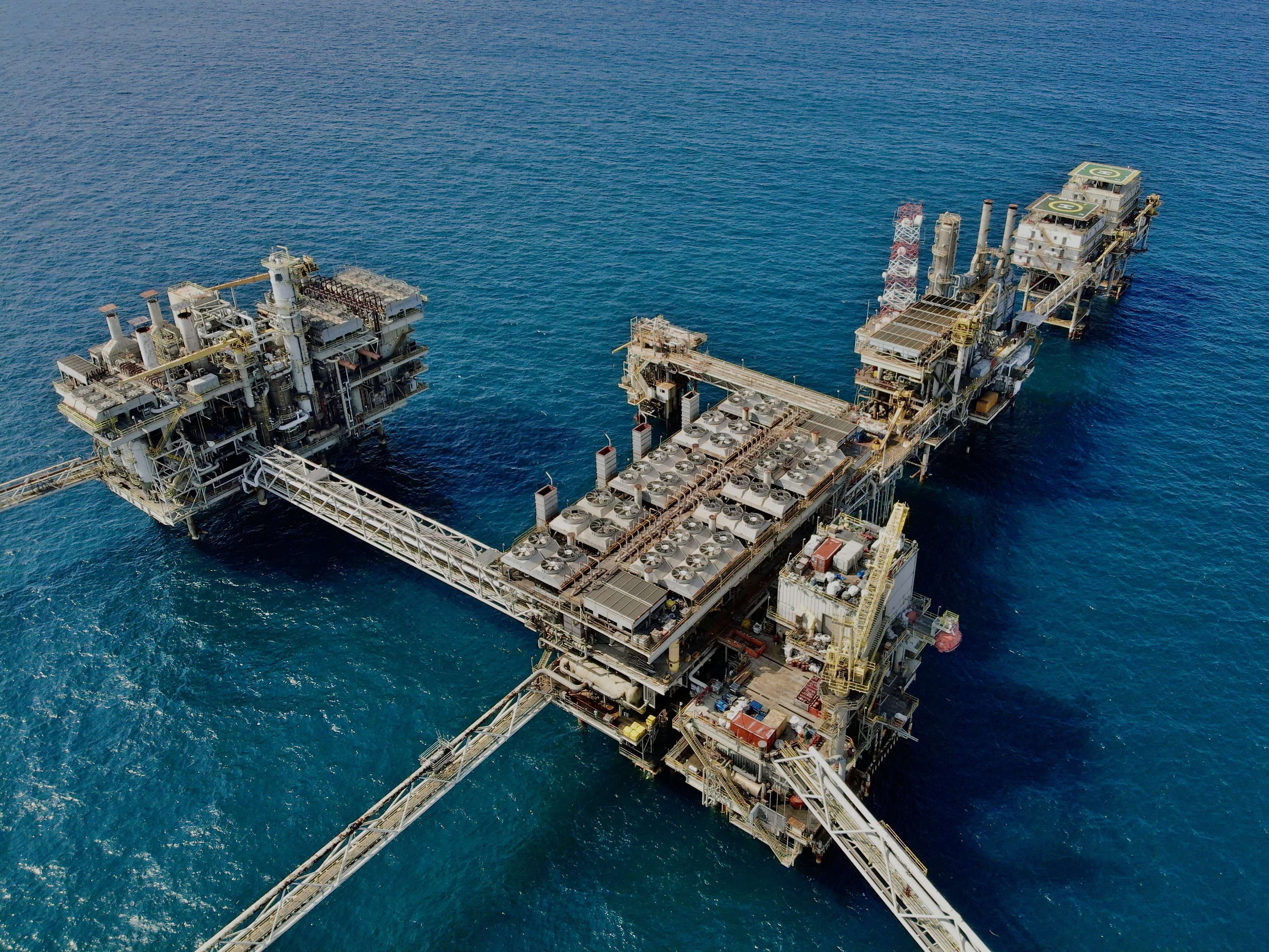
Offshore readiness is a must for drone inspections in challenging environments. Not every operator is equipped to handle the unique challenges that offshore work presents. Ensure your partner has experience and the right equipment for these conditions.
Look for operators who can demonstrate expertise in handling offshore inspections. They should know how to manage logistics and safety in these locations. Ask about their experience with similar projects to gauge their capability.
Having the right equipment is also essential. Drones used offshore should be robust and able to withstand harsh weather conditions. Verify that your potential partner uses drones suitable for offshore environments, ensuring they can deliver reliable results.
Ensuring Compliance Standards
Compliance with regulatory standards is key in the drone inspection industry. A reputable partner will understand and adhere to all relevant regulations. This is crucial to ensure inspections are conducted legally and safely.
Make sure your chosen partner knows the ins and outs of industry regulations. They should be familiar with guidelines such as EASA Specific Category and permit to work offshore. Ask about their compliance history to ensure they have no past violations.
A compliance-focused approach not only protects your operations but also enhances the quality of the inspection results. A partner who prioritises compliance is more likely to deliver reliable and accurate data.
Assessing Data Quality and Deliverables
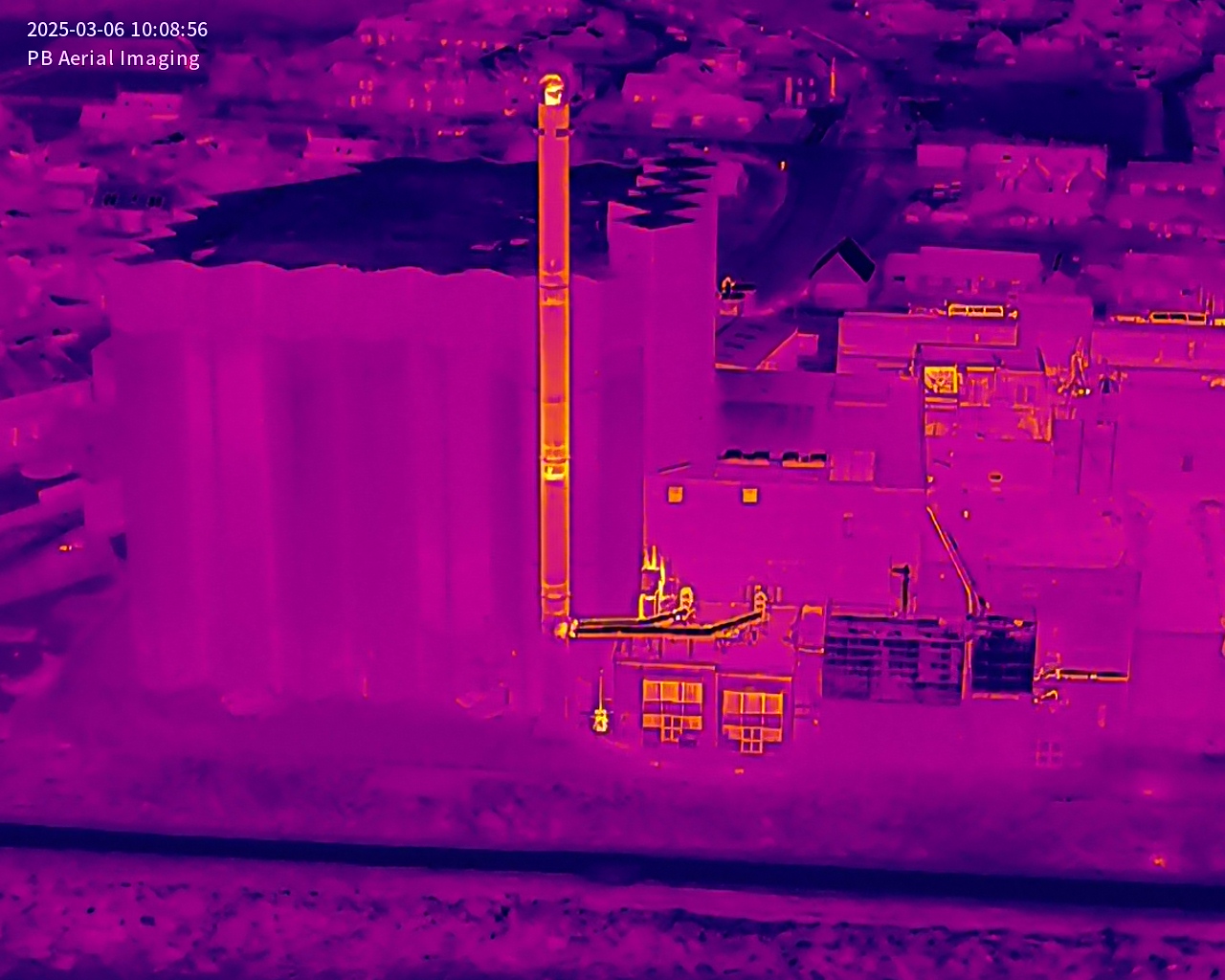
Evaluating a partner’s data quality is just as important as assessing their safety credentials. The inspection data must be high-quality and actionable. This helps in making informed decisions about asset maintenance and management.
Importance of High-Resolution Imagery
High-resolution imagery is vital for effective inspections. Detailed images reveal issues that might be overlooked with lower-quality visuals. This ensures that potential problems are caught early, saving time and money.
Discuss the types of cameras and technology your partner uses. Ensure they use high-resolution cameras capable of capturing detailed images. This is especially important for inspecting complex structures like wind turbines or offshore platforms.
High-quality imagery is not just a luxury, it’s a necessity. It provides the clarity needed to make accurate assessments of asset conditions. When selecting a partner, make sure they prioritise delivering top-notch image quality.
Analysing Inspection Data Deliverables
Data deliverables are the end product of any inspection, so they must be comprehensive and easy to interpret. Look for partners who can present data in a clear, accessible format that aids decision-making.
Assess how data is analysed and presented. Your partner should provide detailed reports that highlight key findings. These reports should be easy to understand, even for those who aren’t data experts.
The right partner will tailor data deliverables to your specific needs. This ensures you get the insights required to maintain asset integrity. Insist on partners who offer customised reporting options to suit your operational demands.
Integrating with Client Workflows
Seamless integration with existing workflows enhances the value of inspection data. Your partner should offer solutions that fit smoothly into your operational processes, minimising disruption.
Check if the partner can adapt their data delivery to your systems. This might include integrating with existing software or platforms you already use. Flexible solutions are essential for efficient operations.
Ultimately, the goal is to improve operational efficiency. A partner who understands your workflows and can integrate their services accordingly will provide significant value. Choose a partner who offers bespoke solutions that align with your business needs.
Operational Resilience and Expertise
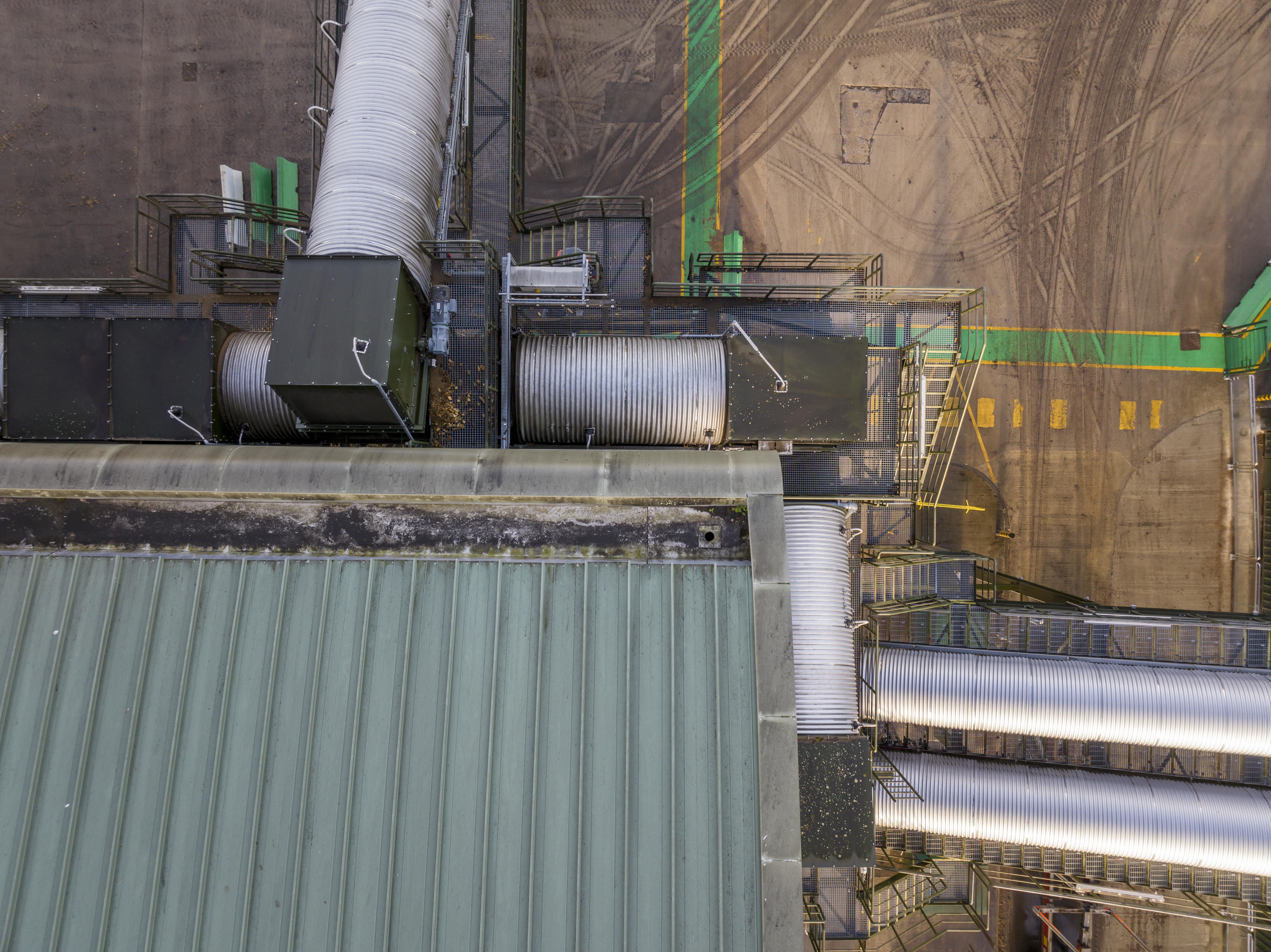
Operational resilience is crucial in challenging environments. Your drone inspection partner should have the expertise to manage unexpected situations effectively. This ensures inspections are carried out smoothly and safely.
Evaluating Fleet Capabilities
A strong fleet is the backbone of any successful drone inspection operation. Ensure your partner has a diverse range of drones suited for various tasks. This flexibility allows them to tackle different inspection challenges effectively.
Inquire about the types of drones they use. A capable fleet will include drones suitable for various environments, including offshore and industrial settings. This ensures they can handle any situation that arises.
An extensive fleet demonstrates a commitment to quality and reliability. It shows that your partner is prepared for any inspection scenario. Choose a partner who can showcase a robust fleet with the versatility to meet your needs.
GWO Certified Drone Pilot Benefits
GWO certification is a hallmark of expertise in offshore environments. Pilots with this certification have undergone rigorous training, equipping them with the skills needed for safe and effective operations.
Working with GWO certified pilots offers peace of mind. They are trained to handle challenging conditions and maintain high safety standards. This is especially important in offshore inspections where the environment can be unpredictable.
GWO certified pilots bring a level of professionalism and expertise that enhances the inspection process. Their training ensures inspections are carried out efficiently and safely. Select a partner who employs GWO certified pilots to maximise operational safety and effectiveness.
Prioritising Safety and Compliance Drones
Safety and compliance should be at the forefront of any inspection operation. Drones designed with these priorities in mind can significantly enhance the inspection process and outcomes.
Your partner should use drones specifically designed for safety and compliance. These drones are equipped with features that ensure safe operation in complex environments. This reduces risks and enhances data quality.
Choosing a partner who prioritises safety and compliance in their drone fleet ensures that your inspections are conducted to the highest standards. This not only protects your assets but also enhances the overall effectiveness of the inspection process.
By carefully selecting a drone inspection partner that meets these criteria, you ensure that your offshore and industrial assets are inspected with the utmost precision and professionalism. This not only protects your investments but also enhances operational efficiency and safety.
